
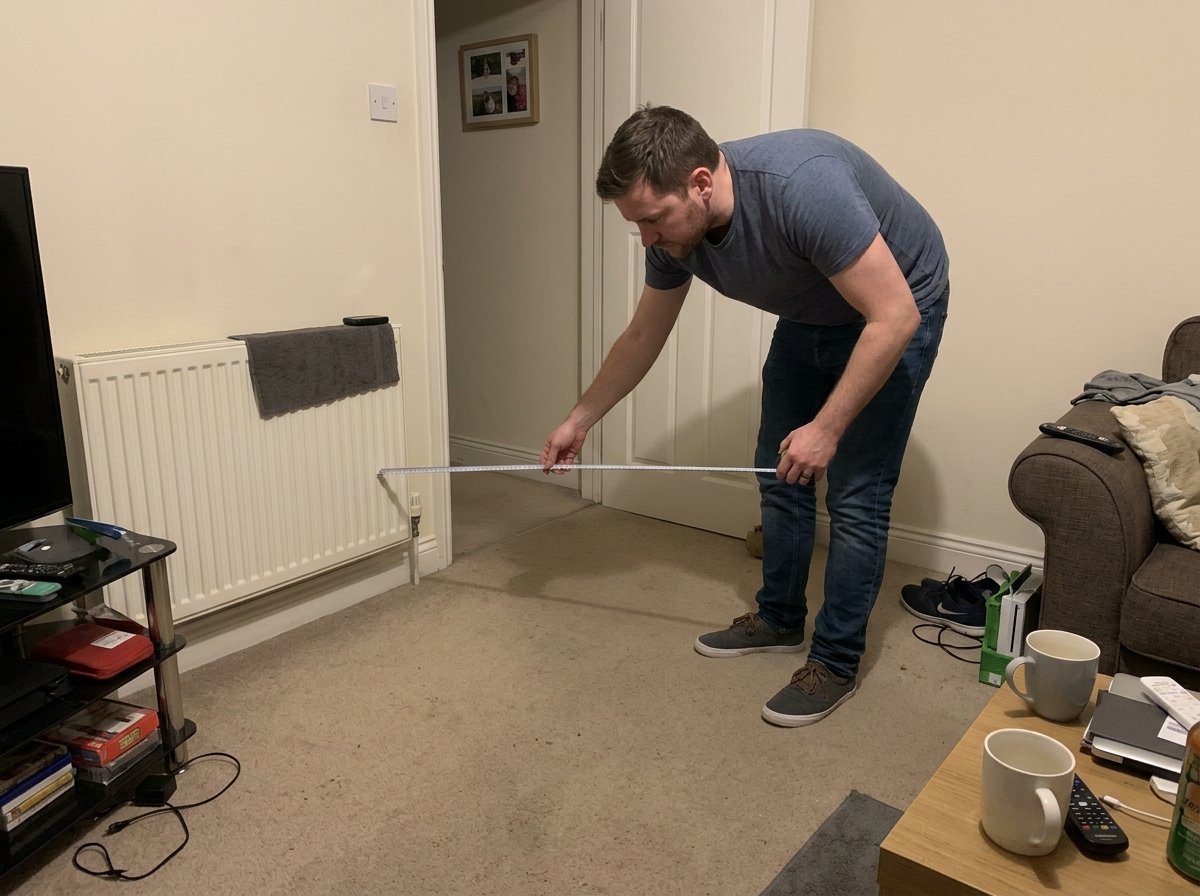
My living room is 11 feet wide, and for a solid month I had painter’s tape on the floor in the shape of three different sofas I was considering, because every single “small space sofa” listing online photographs like it’ll fit anywhere and then shows up looking like a couch built for a completely different room.
I learned the hard way, on a previous apartment, that a sofa that looks reasonably sized in a product photo can eat 40% of your walking path once it’s actually against your wall.
Finding an affordable sofa for a small living room isn’t really about finding “small” sofas — plenty of compact sofas are still badly proportioned or fall apart in a year.
It’s about finding pieces that are genuinely built for tight footprints, priced honestly for what they are, and sized in a way that won’t make your room feel smaller than it already is.
This post walks through actual sofas across a few real price tiers — budget, mid-range, and worth-the-splurge — plus the sizing rules that matter more than any specific brand, and the trade-offs that only show up after you’ve lived with a sofa for a few months, not a few days.

The Sizing Rule That Matters More Than the Brand
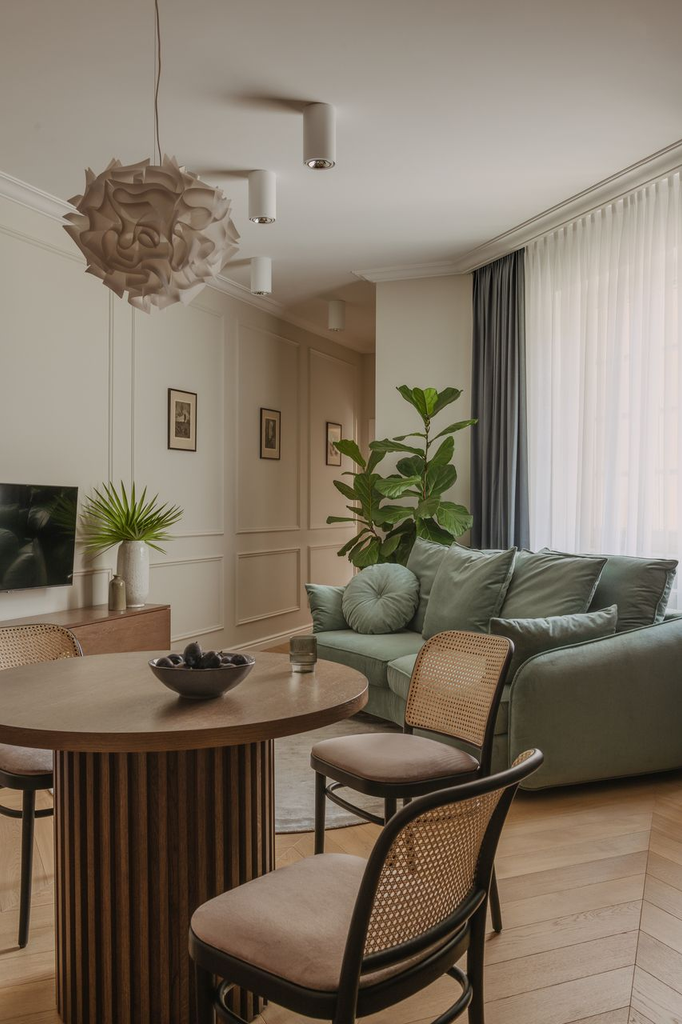
Before any specific sofa recommendation, the actual math: for a small living room, you generally want a sofa no deeper than 34-36 inches (standard sofas run 38+ inches deep, and that extra few inches matters a lot in a tight room) and a width that leaves at least 30-36 inches of walking clearance on at least one side.
A loveseat (typically 55-65 inches wide) or an apartment-sized sofa (usually capped around 72-76 inches) is the realistic ceiling for most small living rooms — a standard 84+ inch sofa is where rooms start to feel cramped even when the sofa itself looks fine in a photo.
Pro tip: Measure your doorways, stairwells, and elevator before you measure the room. A sofa that fits your living room perfectly is useless if it can’t get through the door — this is such a common problem that a few direct-to-consumer brands, Burrow among them, built their entire modular design around box-sized pieces specifically to avoid it.
Budget Tier: Under $350

At this price point, you’re not getting a sofa that lasts a decade, and that’s a fair trade if you’re furnishing a first apartment, a dorm-adjacent space, or a room you know is temporary.
Compact loveseats and small sofas from Walmart, Amazon, and similar marketplaces regularly run $110-300, with tool-free assembly and washable covers being the two features actually worth checking for at this tier — not the marketing photos.
The honest trade-off here is cushion support.
My friend Jess bought a $150 loveseat from an online marketplace for her first studio, and it looked great for about eight months before the seat cushions flattened out noticeably — she ended up buying foam inserts to extend its life another year rather than replacing it outright, which cost her another $40 but was still cheaper than a new sofa.
Pro tip: At this price tier, check the weight capacity listed in the product specs, not just the star rating. A loveseat rated for 650 lbs total is telling you something honest about the frame; one with no weight spec listed at all is a bigger gamble than the price suggests.
Mid-Range Tier: $700-1,300
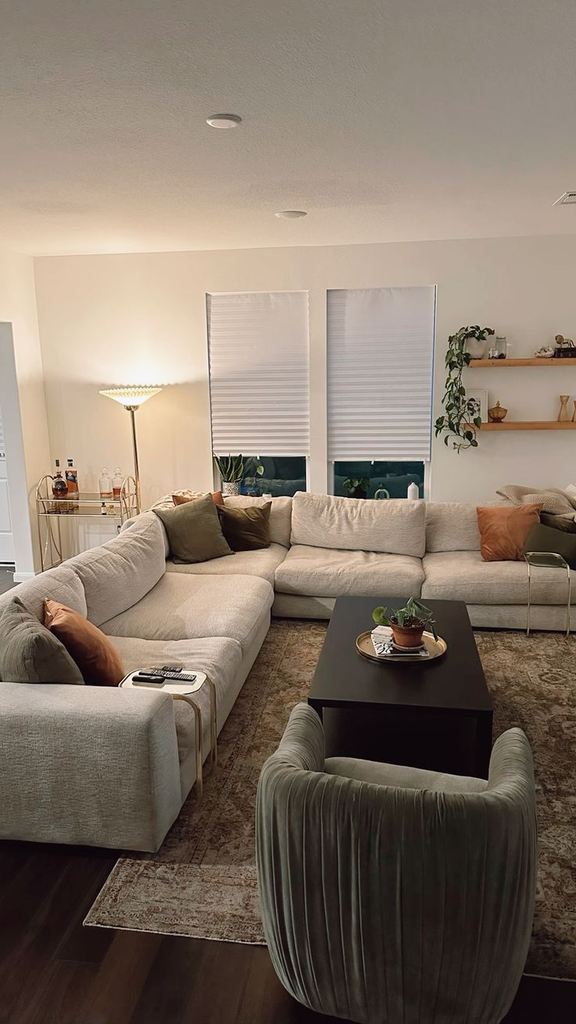
This is where sofas start being genuinely designed for small spaces instead of just sized down.
IKEA’s Söderhamn line is the one I’d point most people toward first — it’s modular, so you can build a single armless section, add a chaise later, or keep it as a simple loveseat-sized piece, and individual sections run roughly $400-650 depending on the section and fabric, with a full small sofa configuration typically landing in the $700-900 range.
The high legs are a small detail that matters more than it sounds — they visually lighten the piece and make cleaning underneath actually possible in a tight room.
Article’s Ceni line is the other one worth knowing at this tier: the 61-inch loveseat runs around $899 and the 83-inch sofa around $1,099, both with a low-profile, vintage-leaning silhouette that reads intentional rather than “starter apartment.”
The trade-off with Ceni specifically is firmness — it’s a spring-and-foam seat that’s on the firmer side, which some people love for posture and others find takes getting used to after years of overstuffed sofas.
| Sofa | Approx. Price | Best For | Watch Out For |
|---|---|---|---|
| IKEA Söderhamn (section/loveseat config) | $700-900 | Renters who want modular flexibility | Fabric covers wear differently across colors — lighter colors show wear faster |
| Article Ceni 61″ Loveseat | ~$899 | A designed, low-profile look on a budget | Firmer seat than most people expect |
| Burrow Nomad Loveseat | ~$965-1,279 | Tight stairwells/doorways, tool-free setup | Cushions arrive firm and need 6-12 months to break in |
Worth-the-Splurge Tier: $1,300+
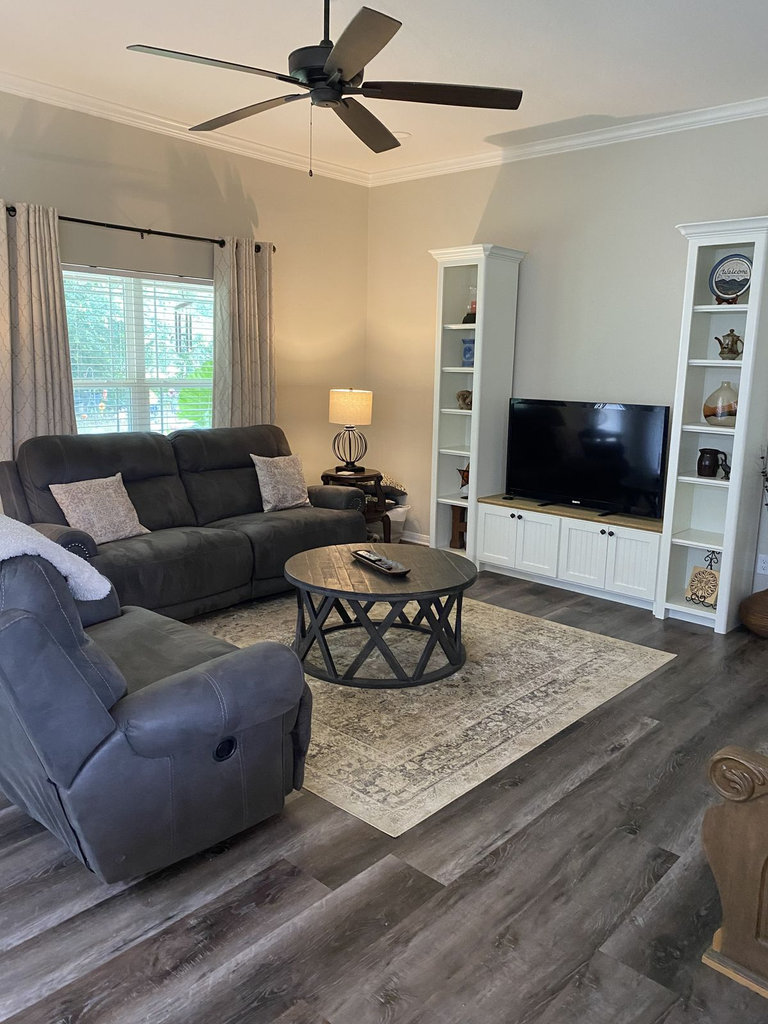
Burrow’s Nomad collection is the standout here specifically for small spaces, not because it’s the most luxurious sofa at this price point, but because it solves the moving-day problem better than almost anything else on the market — every piece ships in boxes designed to clear a standard doorway, with a metal latch-and-catch system instead of the flimsier plastic clips found on cheaper modular sofas.
A 3-seat Nomad configuration runs around $1,364 before any customization, and the loveseat starts closer to $965-1,279 depending on fabric.
The honest trade-off at this tier is warranty length — Burrow’s limited warranty is one year, noticeably shorter than IKEA’s or some other competitors’ decade-long warranties, so you’re paying more for design and moving flexibility, not necessarily for longevity.
If you’re not moving again soon and durability is your main concern, that’s worth weighing against the convenience.
Pro tip: A reader once mentioned in the comments on an apartment-living post that she rented a Burrow sofa’s exact floor sample at a local showroom for an afternoon before buying online — sitting on it in person for even twenty minutes told her more about the firmness than any review did.
Sofa Shapes That Actually Work in Small Rooms
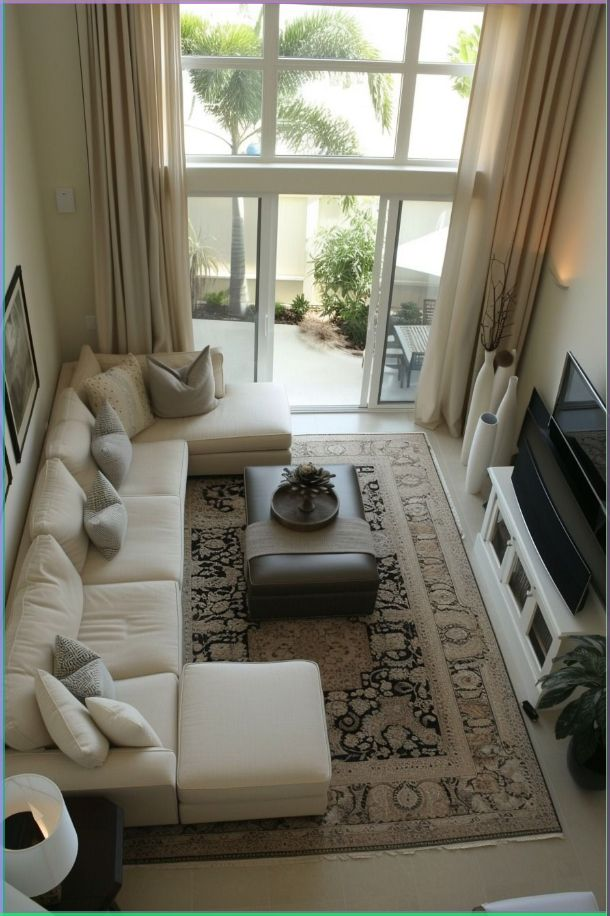
Beyond specific brands, shape matters as much as square footage.
A loveseat or apartment-sized sofa with slim, track arms (rather than wide rolled arms) can free up 6-10 inches of usable width compared to a similarly-sized sofa with bulkier arms — that’s often the difference between a room that feels tight and one that doesn’t.
Sofas with exposed, slightly raised legs also read lighter in a small room than sofas with a solid skirt running to the floor, purely because you can see floor underneath them.
A low-back, armless sectional piece — the kind IKEA’s Söderhamn or similar modular lines offer — is worth considering over a traditional sofa specifically because you can start with just one or two sections and add on later if you move somewhere bigger, instead of committing to a full-size sofa now and hoping it works in the next place too.
What I’d Do Differently
I’d measure the doorway before I fell in love with anything, and I’d stop assuming “small sofa” listings were actually designed for small rooms instead of just photographed to look that way.
If your living room is under 150 square feet, I’d start the search at the mid-range tier rather than the budget tier — the sizing and leg-height details that actually make a room feel bigger tend to show up once you’re paying for design, not just fabric and foam.
And whatever you land on, buy it knowing exactly how it’s getting through your door, because that’s the step that ends actual sofa-buying stories, not the price tag.
Prices reflect research at time of writing and are approximate — brands run sales and update pricing regularly, so double-check current pricing before you buy.


Leave a Reply