
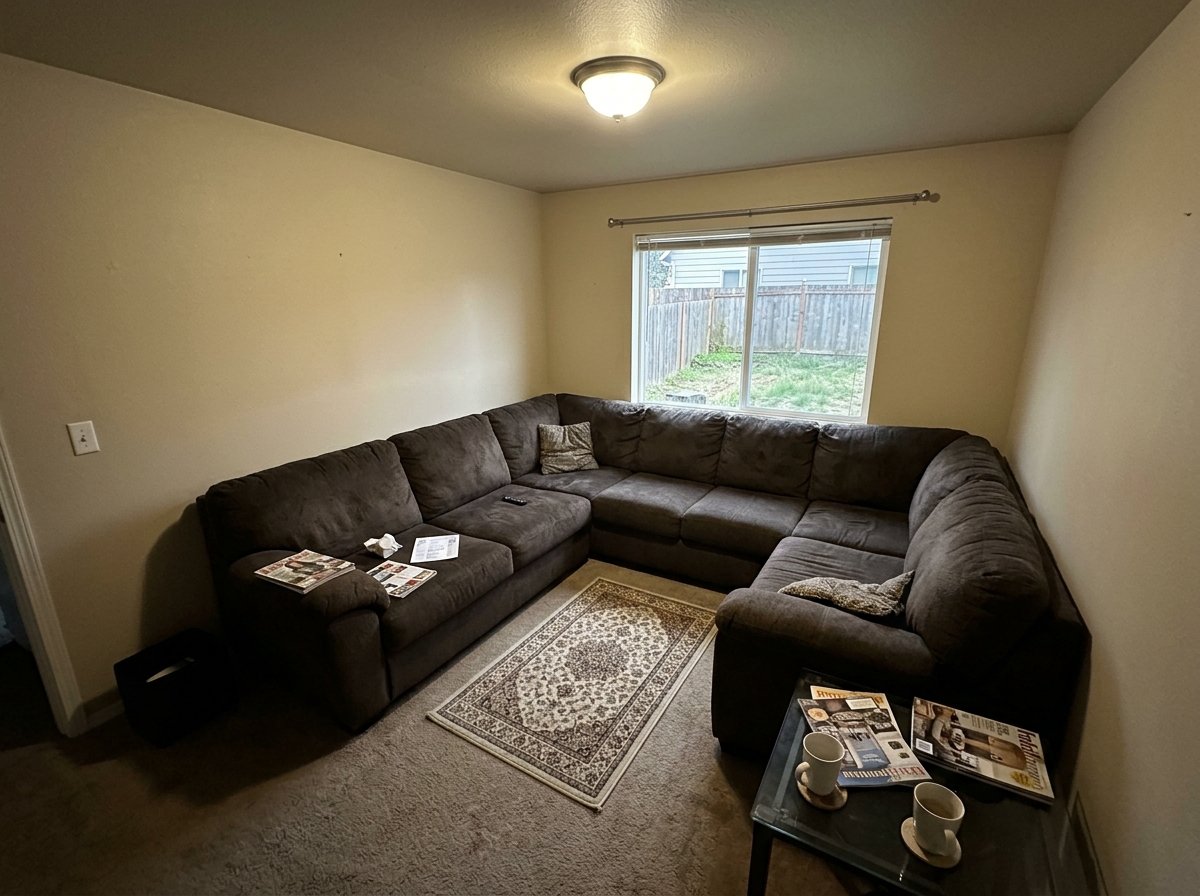
Six months after closing on our first house, I had a living room with a beautiful new sofa, a gorgeous accent chair, a rug I’d saved up for, and a space that somehow still felt like nothing worked together.
I remember standing in the doorway one Sunday afternoon genuinely confused, because every single piece was something I’d chosen carefully, and yet the whole room read as disjointed instead of intentional.
It took a very blunt conversation with a friend who does interior design professionally for me to realize I’d made almost every classic first-time-homeowner mistake in one room at once.
Living room decorating mistakes tend to repeat themselves across first-time homeowners for a pretty understandable reason: renting rarely gives you the chance to actually plan a room from scratch, so your first real house is often the first time you’re making these decisions with any permanence at all, and nobody warned you about the specific traps that come with that.
These aren’t style opinions — plenty of very different aesthetics can all work — they’re more structural mistakes that undermine a room no matter what your taste actually is.
I’m going through seven of the most common ones here, why each actually causes the problem it causes, and what to do instead, based on my own house and a handful of friends’ houses I’ve watched go through the exact same learning curve.

Mistake 1: Buying a Rug That’s Too Small for the Room
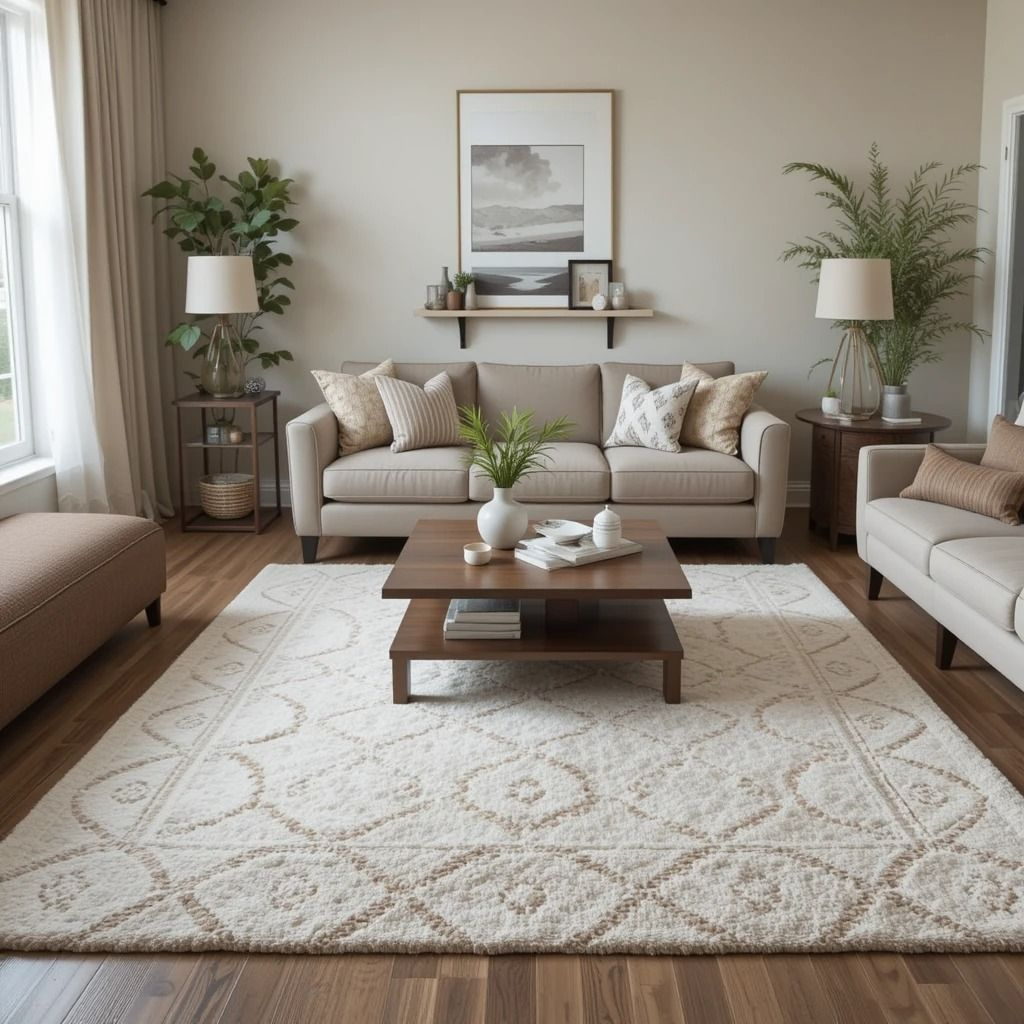
This is, without question, the single most common living room decorating mistake I see in first-time homeowner spaces, and it’s also one of the hardest to notice you’ve made until someone points it out. A too-small rug leaves furniture looking like it’s floating in the middle of the room disconnected from everything else, and it’s the number one thing that makes an otherwise nicely furnished living room read as cheap or unfinished, even when every individual piece is nice.
The fix is almost embarrassingly simple once you know it: at minimum, the front legs of your major seating pieces should land on the rug, and ideally all four legs of the sofa and chairs do if your room size allows it. Before buying, mark out the actual dimensions on your floor with painter’s tape — it takes five minutes and will almost always reveal that the rug you were about to buy is smaller than you think it is.
Pro tip: If budget is genuinely the limiting factor and you can’t afford the properly sized rug right now, it’s better to wait and save than to buy an undersized one as a placeholder — a too-small rug does more visual damage to the room than having no rug at all in the meantime.
Mistake 2: Pushing All the Furniture Against the Walls
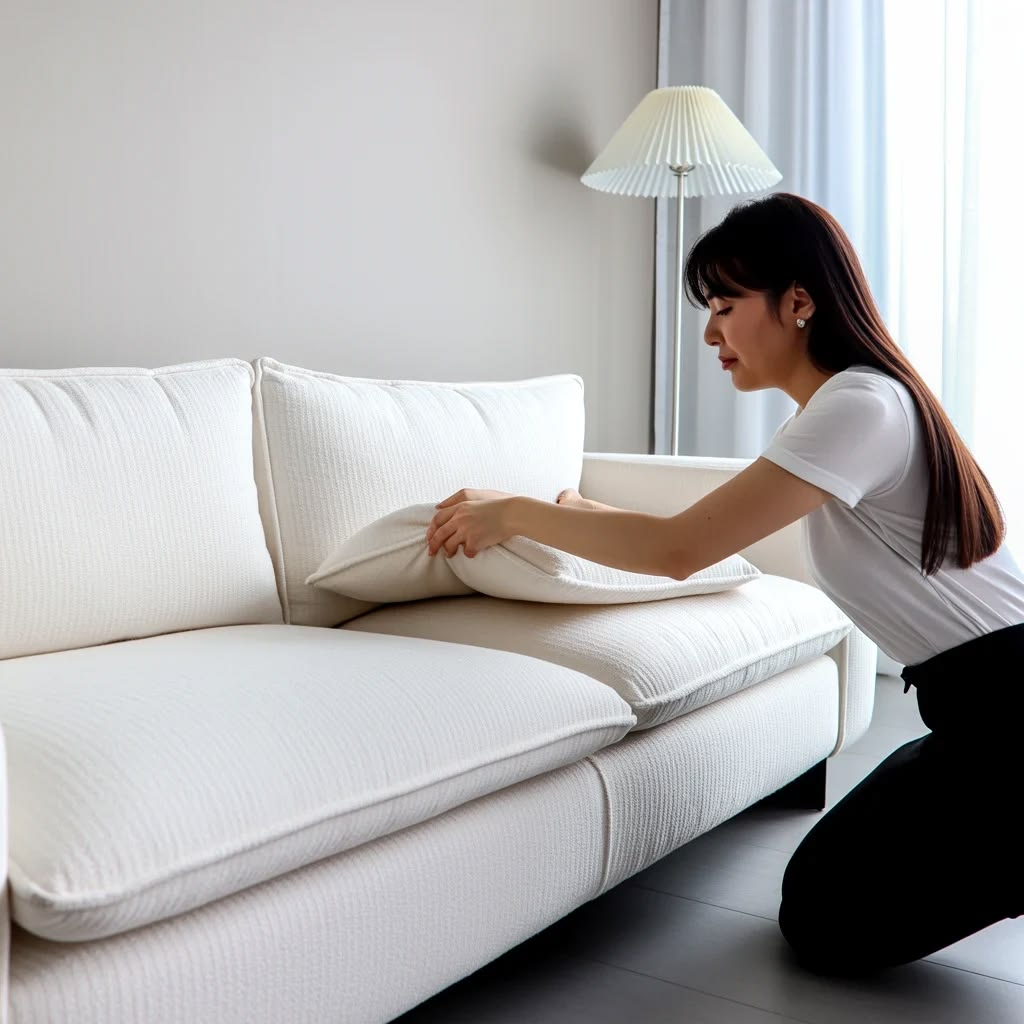
This one comes from a totally understandable instinct — keeping the middle of the room open feels like it’ll make the space feel bigger — but it actually does the opposite in most living rooms, creating a big dead zone in the center and forcing conversation across an awkward distance. Floating furniture slightly away from the walls, even by a foot or two, almost always makes a room feel more intentional and better proportioned, not smaller.
My neighbor Renata did exactly this in her first house — sofa against one wall, chairs against the opposite wall, a huge empty gap in the middle — and once she pulled everything in toward a central rug and added a coffee table in that gap, the room read as roughly twice as “finished” without a single new purchase. It cost her nothing but an afternoon of rearranging furniture she already owned.
| Layout Approach | Pros | Cons |
|---|---|---|
| Furniture against walls | Maximizes open floor space | Creates awkward center gap, distant conversation |
| Furniture floated inward | Cozier, more defined conversation area | Slightly less open floor space |
| Furniture angled toward center | Best for conversation-focused rooms | Needs more square footage to work well |
Mistake 3: Choosing Every Piece of Furniture in Isolation
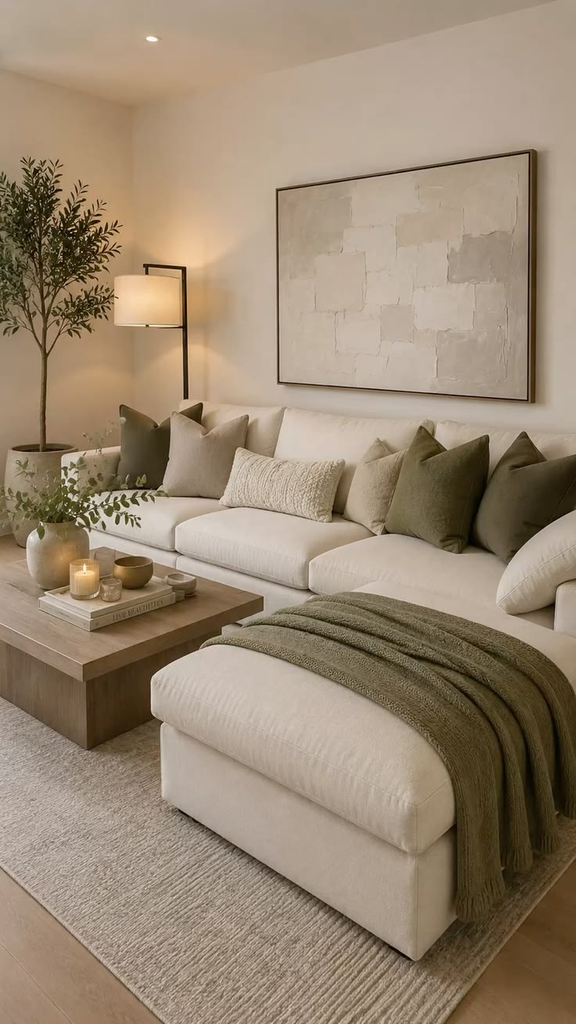
This was my exact mistake — a sofa I loved, a chair I loved separately, a coffee table I loved on its own, none of which were chosen with the others in mind. Each piece can be genuinely well-made and attractive and still add up to a room that feels disjointed, because cohesion comes from pieces relating to each other, not from each piece being independently nice.
The fix is choosing a rough color palette and style direction before shopping for individual pieces, and then treating your first major purchase (usually the sofa) as the anchor that everything else gets measured against, rather than shopping for each item as its own separate decision. If you’ve already bought pieces this way and they’re not cohering, you don’t necessarily need to replace everything — sometimes a shared rug, a couple of coordinating throw pillows, or a consistent wood tone across side tables is enough to visually tie together furniture that was originally chosen independently.
Mistake 4: Skipping Layered Lighting for a Single Overhead Fixture
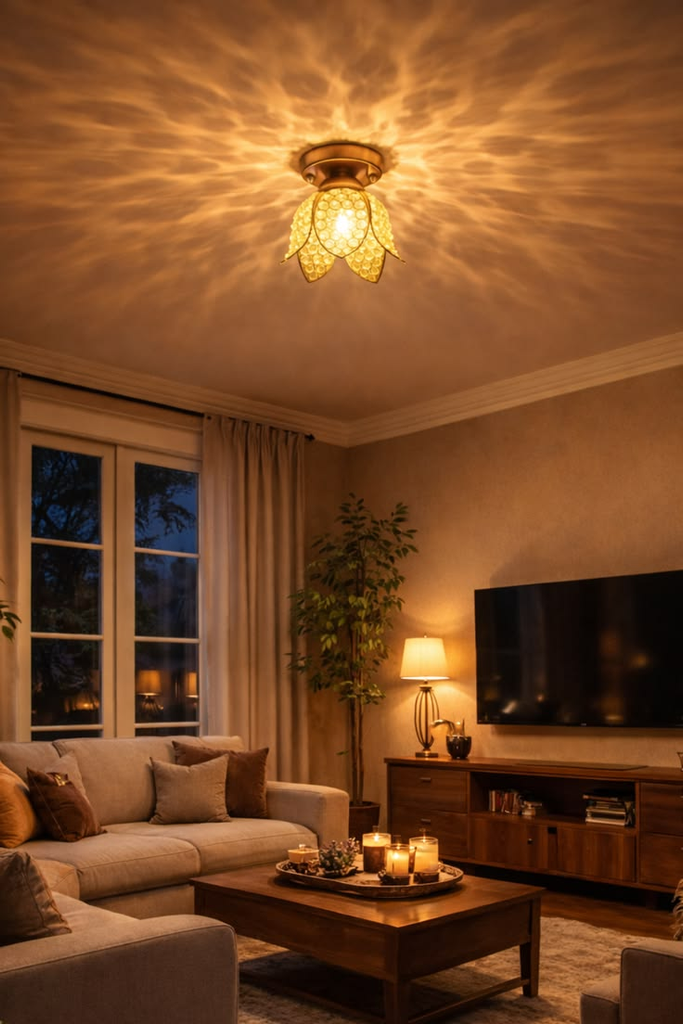
A lot of first-time homeowner living rooms rely entirely on one ceiling fixture because that’s simply what came with the house, and it’s one of the cheapest, most overlooked upgrades that makes a real difference. A single overhead light source creates flat, even lighting that reads as clinical rather than warm, no matter how well the rest of the room is decorated.
Adding even two more light sources at different heights — a floor lamp in a corner and a table lamp near the seating — gives you the ability to layer light depending on time of day and mood, which does more to make a room feel finished than most people expect from something this inexpensive. Swapping to warmer-toned bulbs across all your fixtures is a nearly free upgrade that changes the whole feel of the room by evening.
Mistake 5: Hanging Art and Mirrors Too High
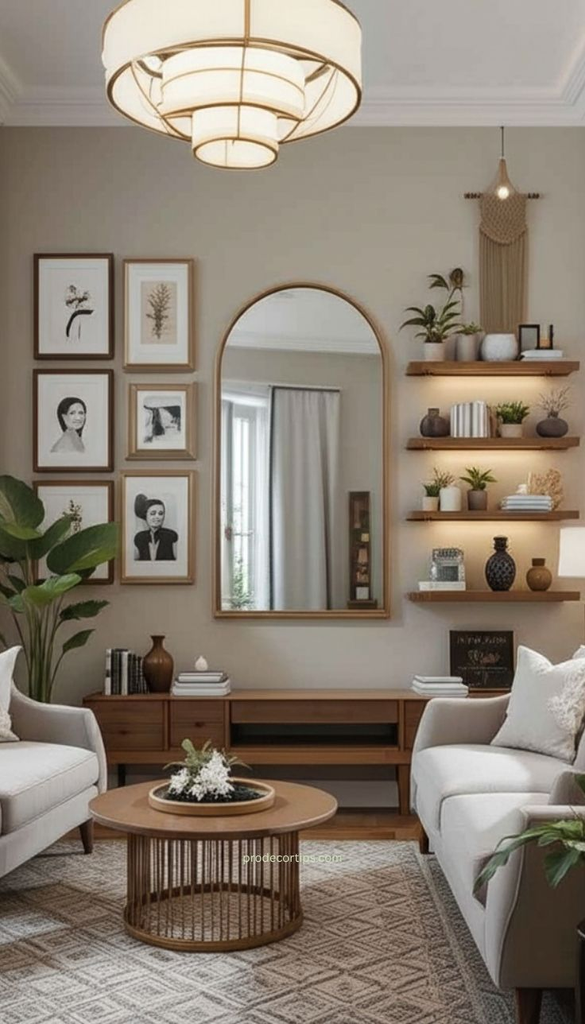
This is a specific, very common mistake that happens because people tend to hang things at a height that feels “normal” from standing, rather than the height that actually looks right once you’re sitting in the room, which is how a living room is mostly experienced. Art hung too high leaves an awkward gap of blank wall below it and disconnects the piece from the furniture underneath it.
The general rule that actually works: the center of a piece of art should land at roughly eye level for someone seated nearby, or about 57-60 inches from the floor to the center of the piece if it’s a standalone wall with no furniture beneath it. Above a sofa specifically, aim for a smaller gap between the top of the sofa and the bottom of the art than feels intuitive — usually somewhere in the range of 6 to 12 inches, not the two or three feet gap that hanging at “standing eye level” tends to produce.
Pro tip: Before committing to a nail hole, tape a piece of paper cut to the size of your art (or the actual art, taped lightly) to the wall at your intended height and step back to look from a seated position on the sofa — it takes two minutes and will catch a too-high placement before it becomes a patched wall.
Mistake 6: Matching Everything Too Perfectly
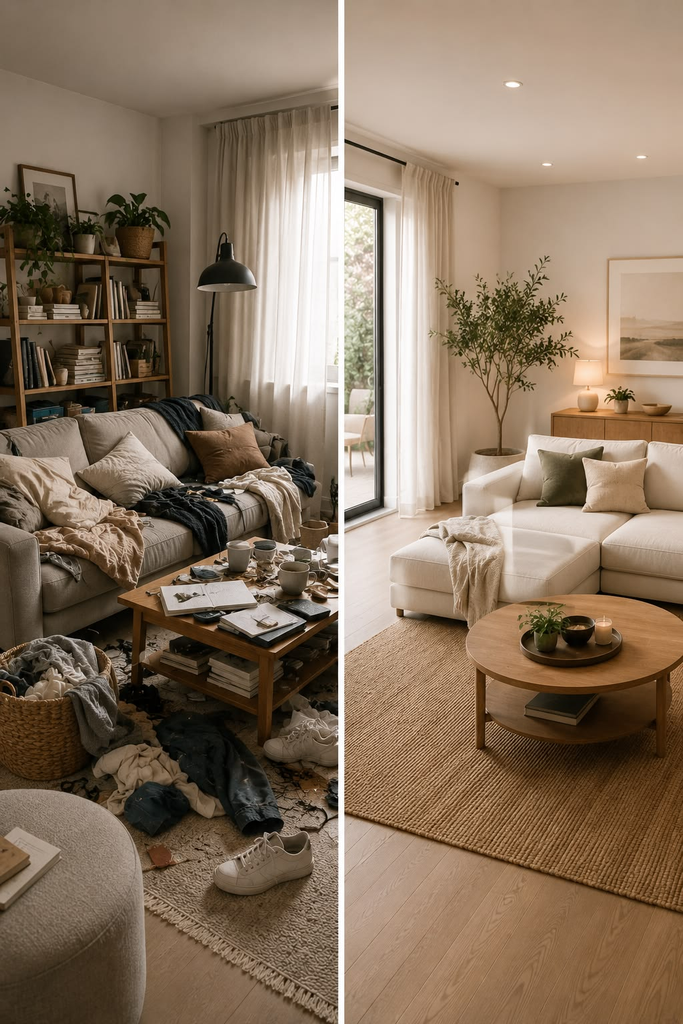
A common first-instinct move is buying a full matching furniture set — sofa, loveseat, chair, coffee table, end tables, all from the same collection — because it feels like the safe, coordinated choice. In practice, this often reads as showroom-y and impersonal rather than put-together, since real, well-designed rooms almost always mix pieces from different sources with slightly varied finishes and eras.
If you’ve already bought a matching set and it’s feeling flat, you don’t need to replace anything — swapping in one or two pieces that break the pattern (a vintage side table, a different-finish lamp, an accent chair in a different fabric than the sofa) usually solves the “showroom” feeling without requiring you to start over. Aiming for coordinated rather than matched, from the start if you’re still shopping, tends to age better and feel more like an actual home over time.
Mistake 7: Decorating for Photos Instead of for How You Actually Live
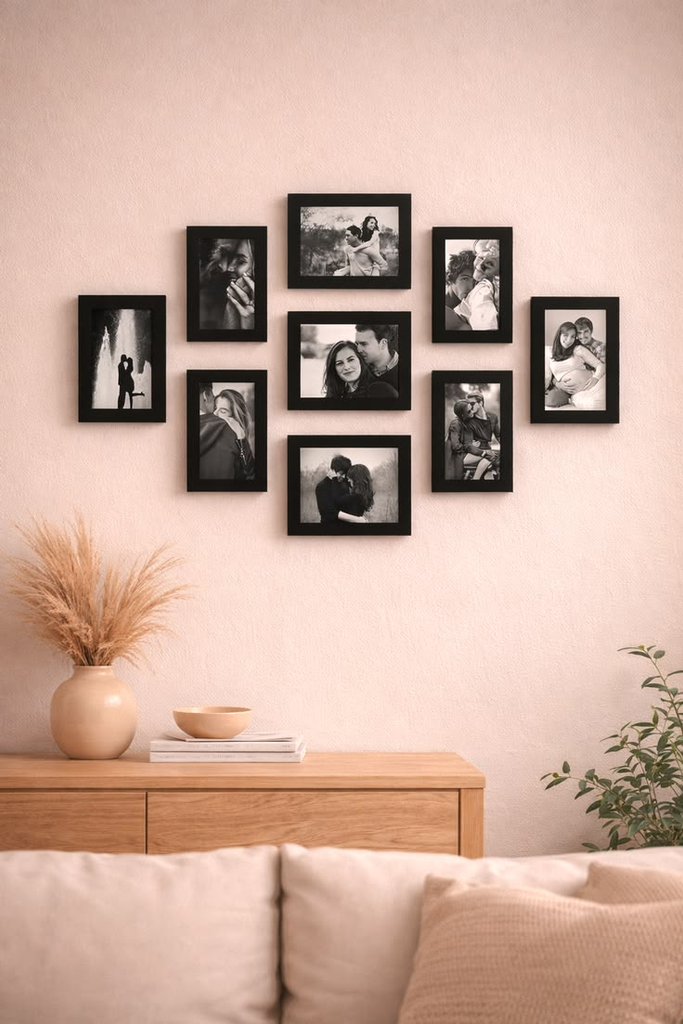
This is the mistake underneath a lot of the others: choosing a fragile glass coffee table because it looks sleek in photos, a white performance-fabric-free sofa because it photographs beautifully, open shelving styled with delicate objects because it looks curated — all decisions optimized for how the room looks in a still image rather than how it holds up to actually being lived in every day. First-time homeowners are especially susceptible to this because so much of the inspiration you consume before buying a house comes from professionally styled photos, not real daily life.
The fix isn’t to abandon style for pure function — it’s making sure every choice can survive an honest answer to “how will this actually get used.” A coffee table needs to survive feet up on it if that’s genuinely how you use your living room; a light-colored sofa needs a stain-resistant fabric if you have kids, pets, or frequent guests; open shelving needs to hold things you’re genuinely fine with getting dusty or occasionally knocked over. A room designed around your real life, rather than an aspirational photo of a life you don’t actually have, ends up looking better in person for longer, even if it’s slightly less “perfect” in a single staged shot.
If I Were Redoing My First Living Room Again
I’d float the furniture away from the walls and get the rug size right before worrying about anything else, because those two fixes alone would have solved most of what was actually bothering me about that first room. The individual pieces I’d chosen were fine — it was the structural decisions underneath them, the ones nobody warns you about before you own your first house, that were actually the problem.


Leave a Reply