
The first real decision I made toward a dark academia living room wasn’t a piece of furniture at all — it was repainting our rental-friendly (landlord pre-approved, thankfully) living room from a builder-grade beige to a deep forest green, and I remember standing in the half-painted room genuinely worried I’d made the space feel smaller and darker in a bad way.
It didn’t. It just finally looked like a room that wanted you to sit down with a book and stay a while, instead of a room that looked like every other apartment listing photo I’d scrolled past.
A dark academia living room works on a different scale than the dorm room version of this aesthetic, and that’s actually the good news — you’ve got real wall space to paint, room for substantial furniture like a proper reading chair or a bookshelf you don’t have to share, and usually a lot more flexibility with lighting fixtures than a dorm’s fire code allows.
So this list is organized around the pieces that actually build a full living room in this style: color and wall treatments, furniture foundations, lighting, bookshelf and library-inspired styling, textiles, and the smaller art and accessory details that pull it all together at the end.
One thing worth saying upfront: this aesthetic tends to reward patience and a real budget more than most trends, since a lot of what makes it convincing is genuine wood, leather, and vintage-sourced pieces rather than anything you can pick up in one weekend trip.
I’ll flag where the budget-friendly version of an idea exists alongside the more investment-heavy one.

Color and Wall Treatments
The wall color and treatment set the entire tone for a dark academia living room before a single piece of furniture goes in, which is why it’s worth getting right first rather than layering decor on top of a color that’s fighting the aesthetic.
1. A deep forest green or espresso brown accent wall
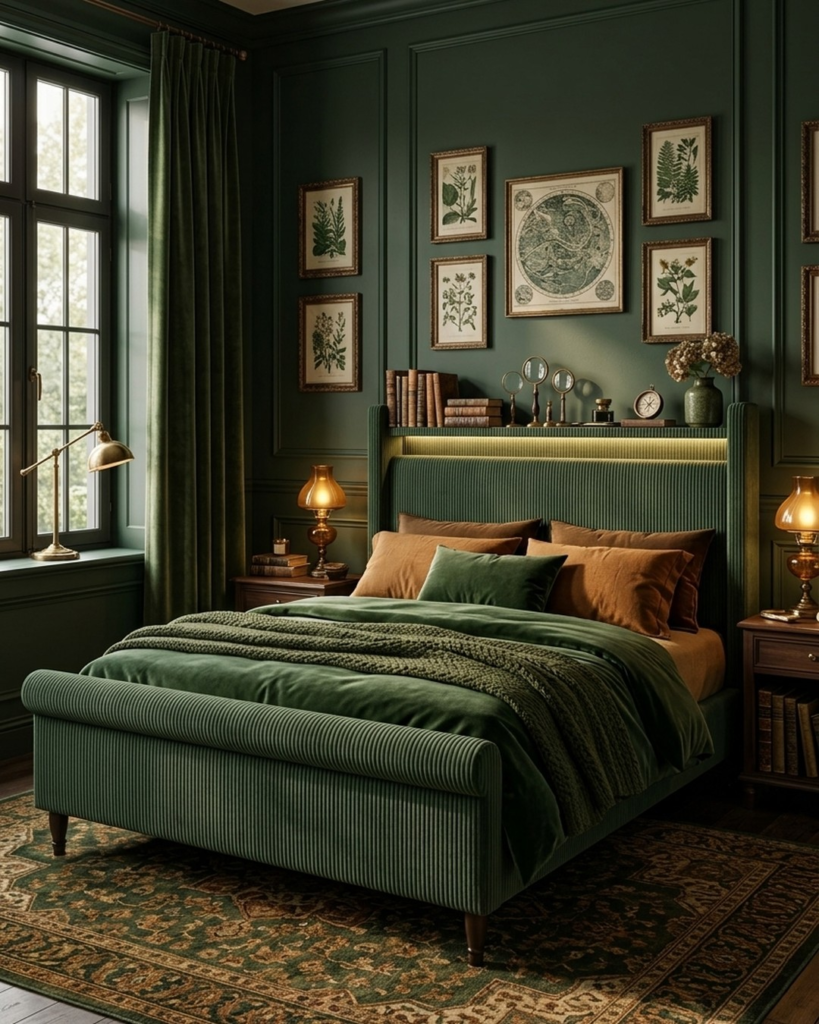
If painting the whole room feels like too much of a commitment, a single deep-toned accent wall — usually behind a bookshelf or fireplace, wherever the eye naturally lands first — gives you the moody color foundation without repainting an entire room, and it’s the option I’d actually recommend to renters or anyone testing the aesthetic before committing further.
2. Full room paint in a rich, saturated tone
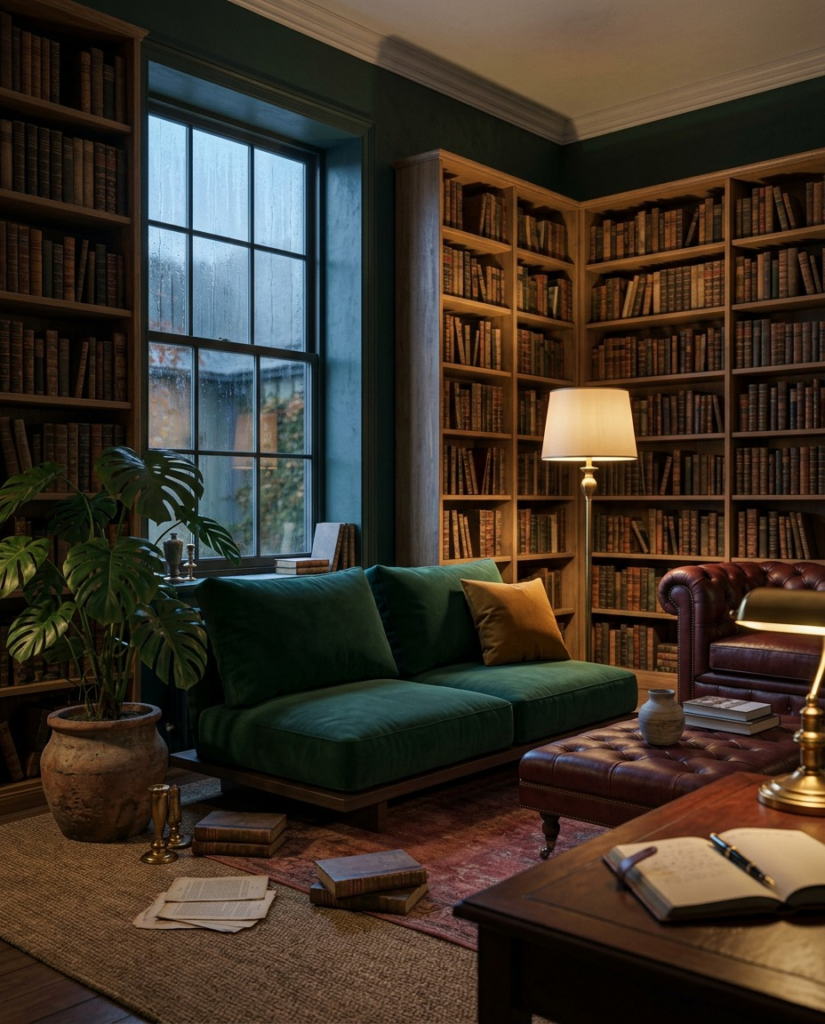
For homeowners or renters with paint approval, committing to a full room in a deep burgundy, hunter green, or navy creates a much more immersive, enveloping feel than an accent wall alone can achieve — the kind of “walking into a library” sensation this whole aesthetic is chasing.
3. Wood paneling or wainscoting for architectural depth
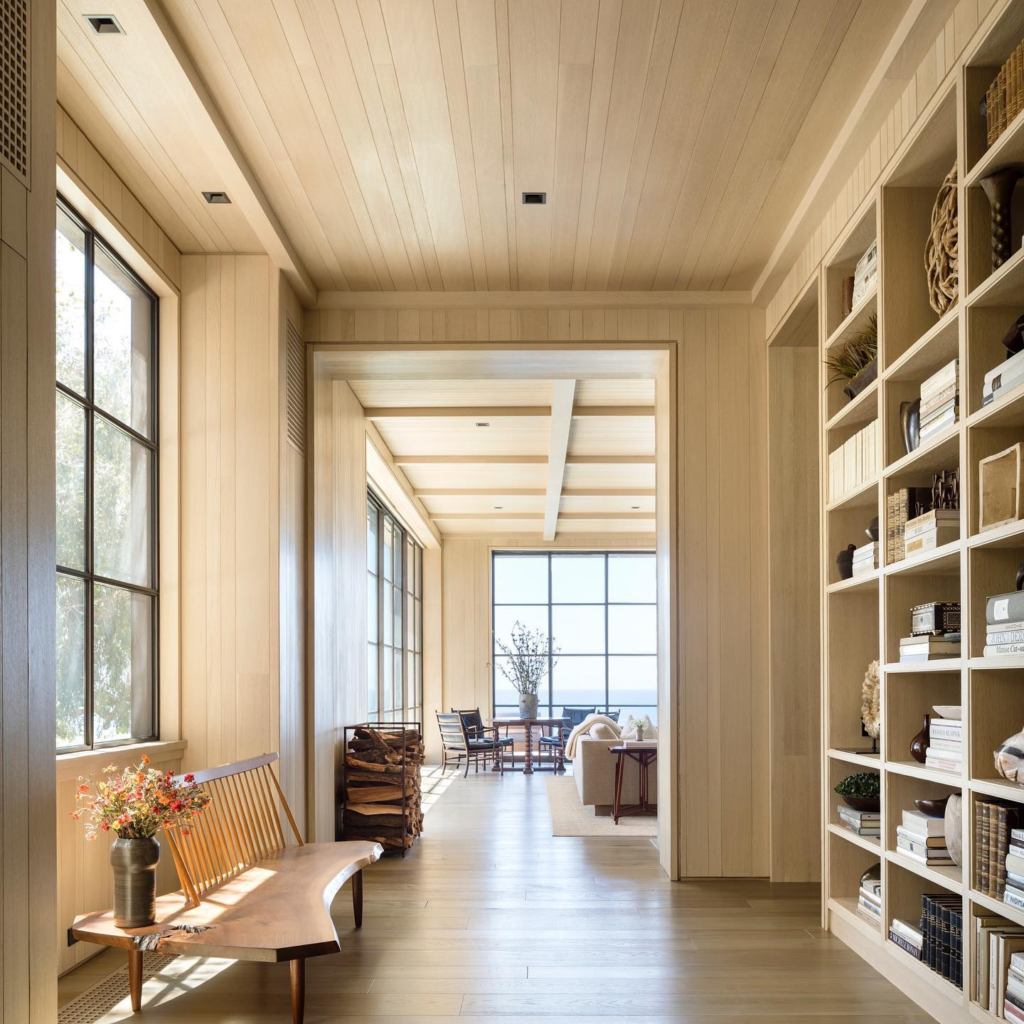
Wood paneling, whether a full wall treatment or wainscoting along the lower half of the walls, adds genuine architectural texture that paint alone can’t replicate, and it’s worth knowing that peel-and-stick wood panel options now exist for renters who can’t install the real thing.
4. Deep, dramatic trim color instead of standard white
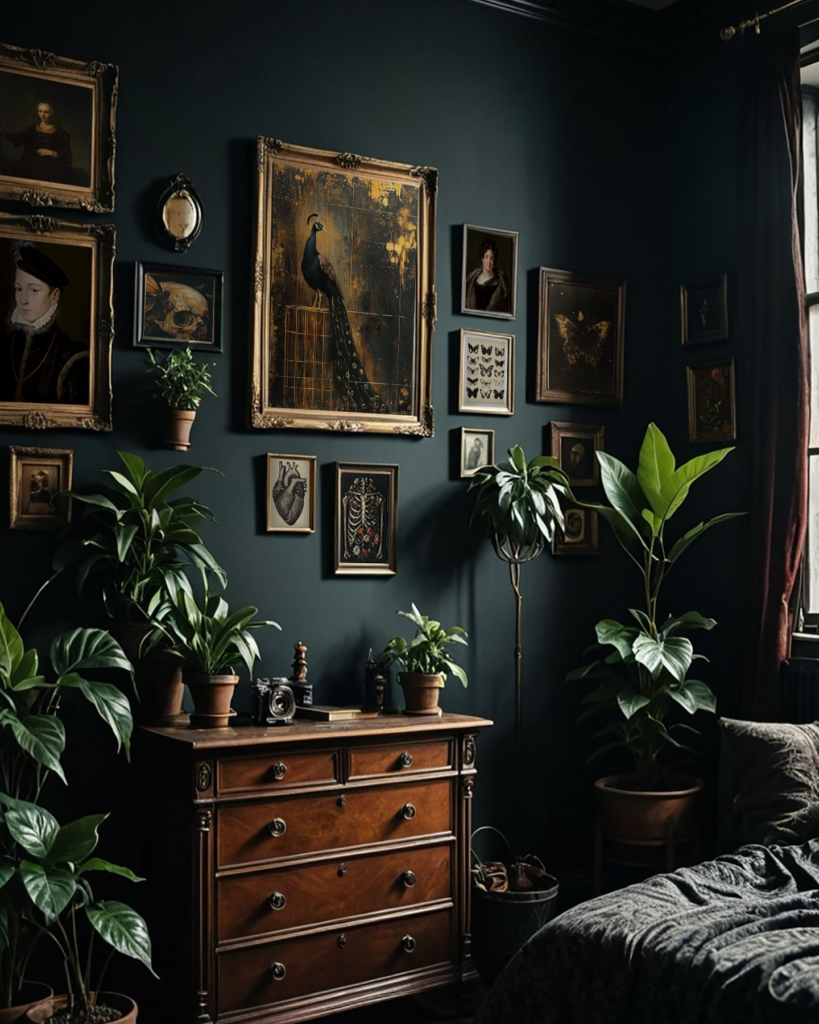
Keeping the walls a lighter neutral but switching the trim, baseboards, and door frames to a dark, saturated color is a smaller-scale way to bring in the moody depth of the aesthetic without a full room commitment, and it reads more architecturally intentional than people expect from something that’s really just a trim paint swap.
Pro tip: Test any dark paint color in the room’s actual lighting at different times of day before committing to a full room — a color that looks perfectly moody and rich under warm evening lamp light can read almost black and cave-like under bright midday sun, and the two very different effects are hard to predict from a paint chip alone.
Furniture Foundations
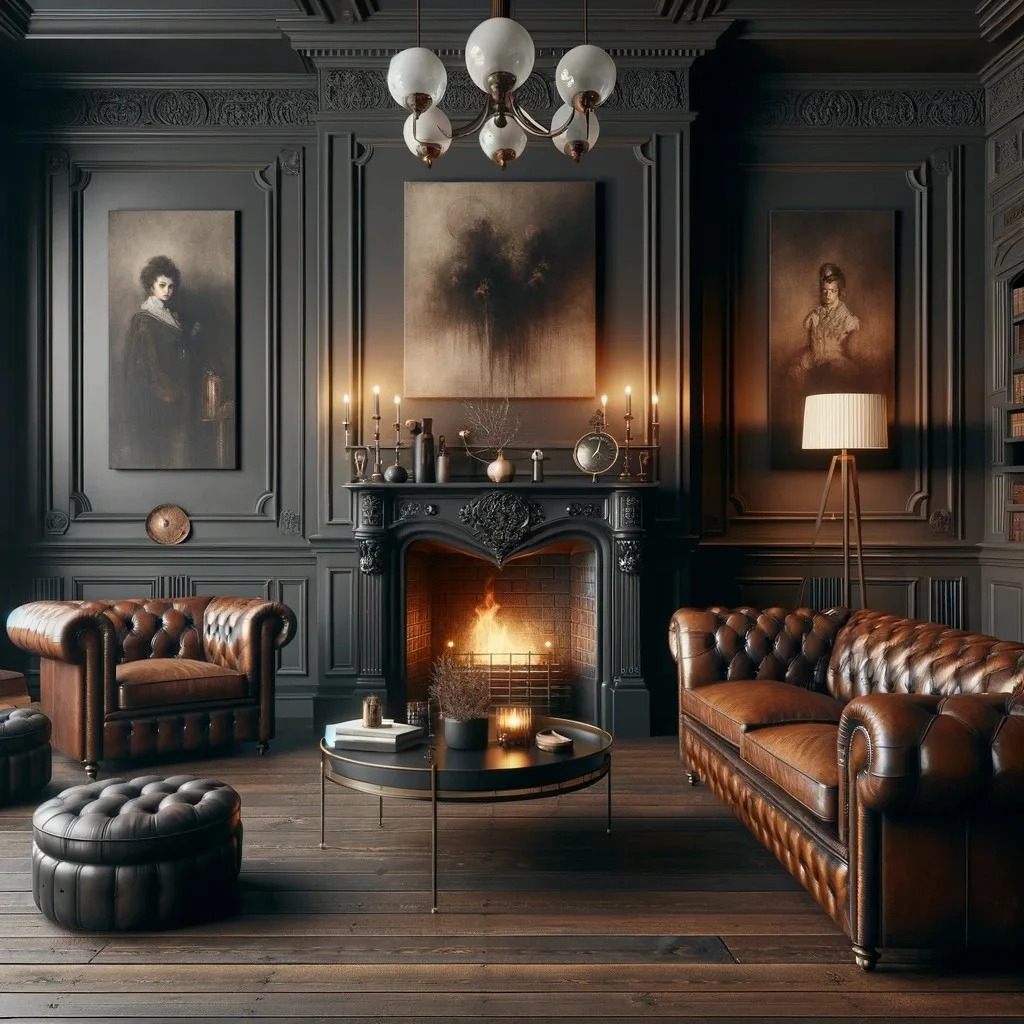
The furniture pieces in a dark academia living room do a lot of the aesthetic’s heavy lifting, and this is where the real investment pieces tend to live if you’re building the room out over time rather than all at once.
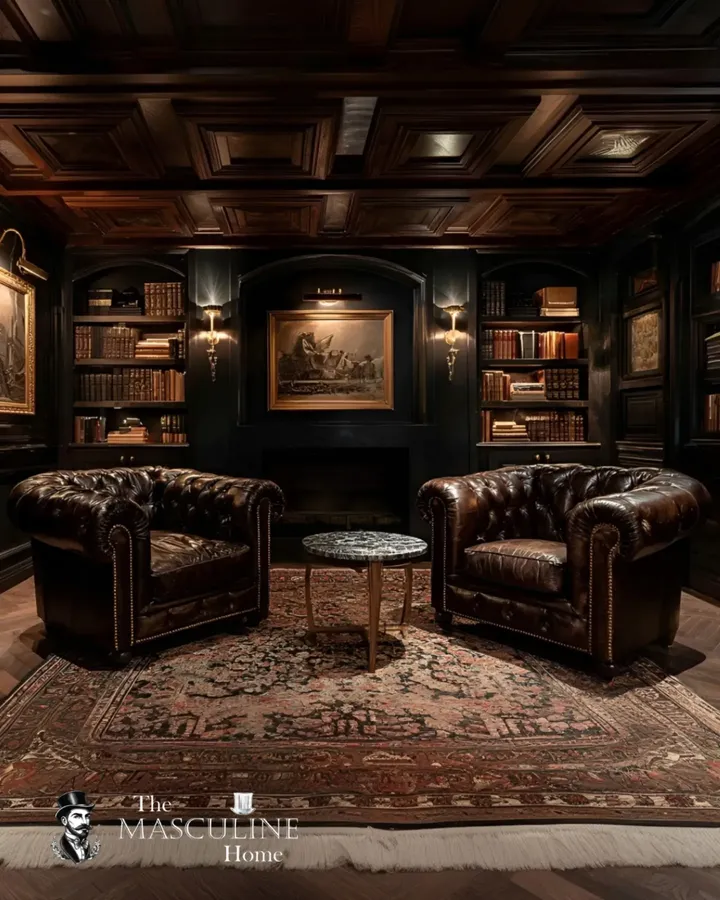
5. A leather chesterfield sofa in a deep brown or oxblood tone
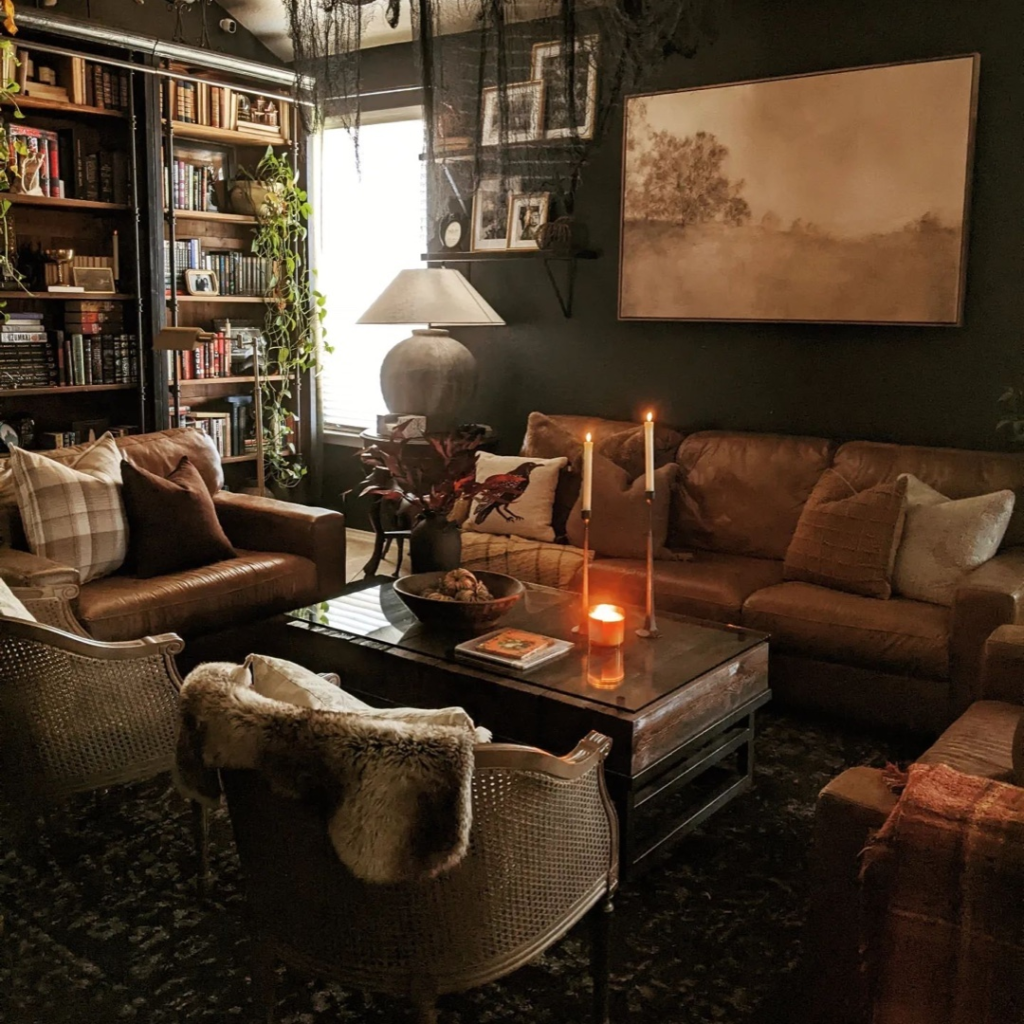
The chesterfield, with its rolled arms and tufted back, is about as close to a signature piece as this aesthetic has, and a genuine leather one in a deep brown or oxblood color anchors the whole room in a way a fabric sofa in the same shape doesn’t quite manage. This is also one of the more expensive individual purchases on this whole list, so secondhand and estate sale sourcing is genuinely worth the extra hunting time here specifically.
6. A worn or distressed leather armchair as a dedicated reading spot
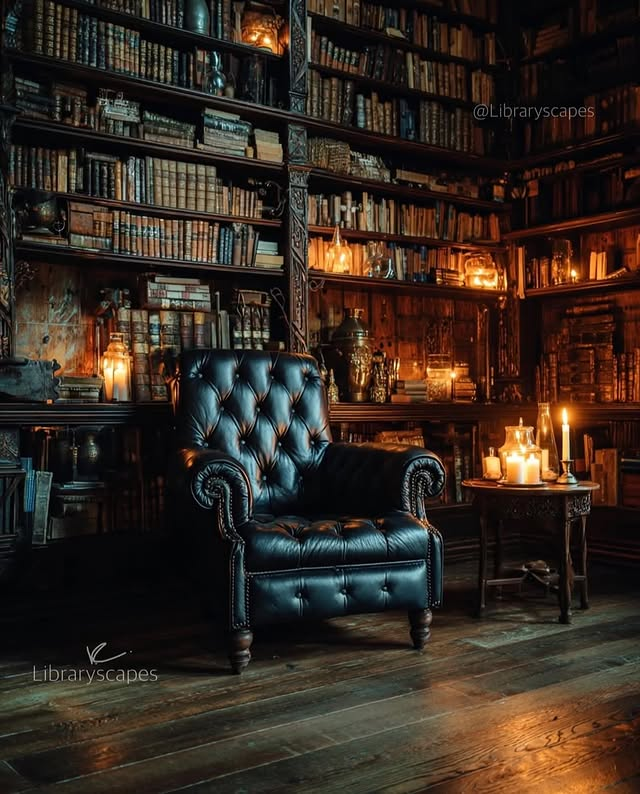
A single, well-worn leather armchair — genuinely worn if you can find one secondhand, since real patina beats a “distressed-look” reproduction almost every time — creates an obvious reading nook focal point, and it’s a smaller, more attainable investment than a full sofa if budget is a real constraint.
7. A wingback chair for a more traditional silhouette
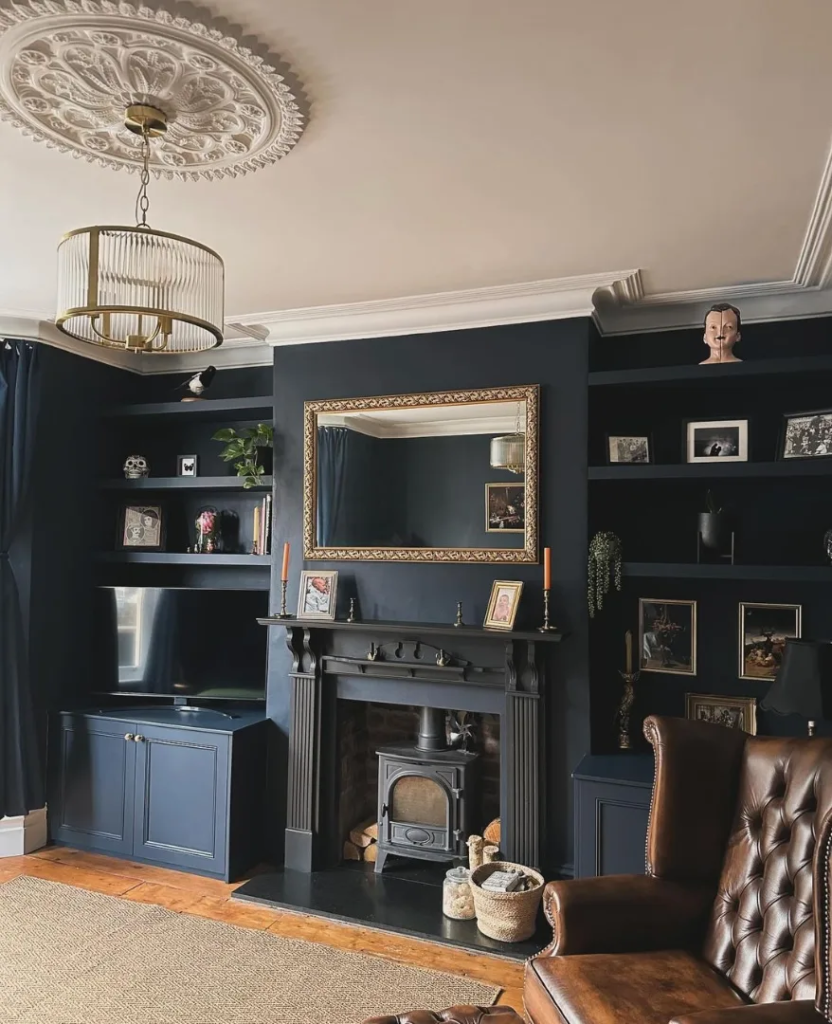
Wingback chairs bring a more classic, old-study silhouette than a rounder armchair does, and they pair especially well positioned near a window or a reading lamp, which is really the whole point of having one in the first place.
8. A vintage or vintage-style writing desk as a secondary furniture piece
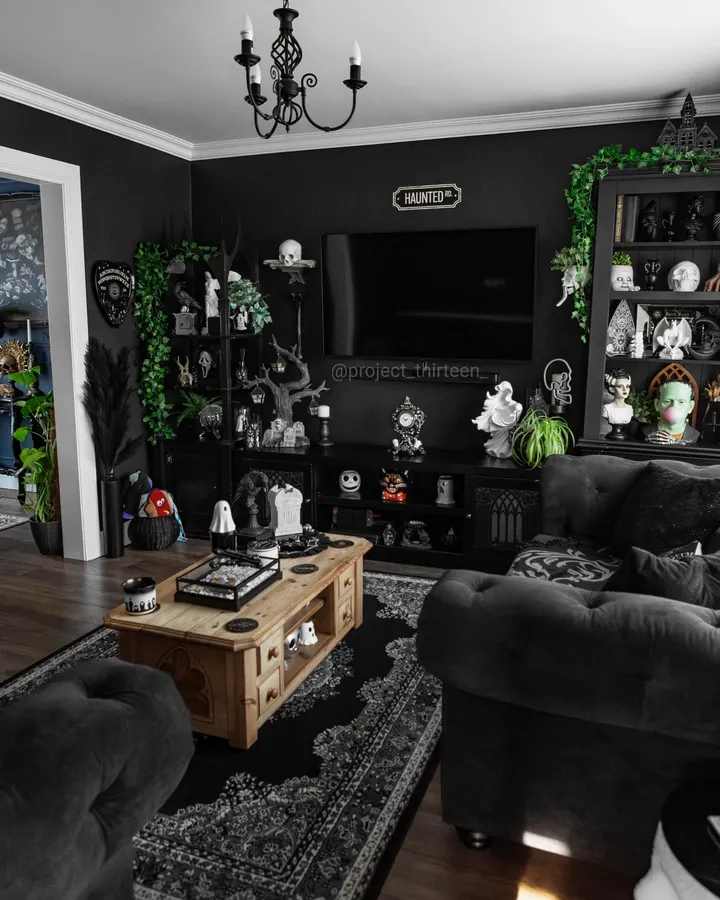
Beyond seating, a small writing desk tucked into a corner of the living room — even if it mostly functions as a display surface rather than actual daily desk work — reinforces the studious, literary feel of the room in a way that purely lounge-focused furniture doesn’t.
Pro tip: If you’re buying secondhand leather furniture, actually sit in it and check the frame stability in person before purchasing, not just the visual condition of the leather itself — a genuinely gorgeous worn leather chair with a wobbly or cracked frame underneath is a repair project, not a bargain, and it’s an easy detail to miss when you’re focused on how good the patina looks.
Lighting for a Moody Living Room
Unlike a dorm room bound by strict fire code, a living room gives you real flexibility with lighting fixtures and, for most homeowners and many renters, actual candles — which changes what’s possible here compared to the dorm version of this aesthetic.
9. A brass or bronze reading lamp beside the main seating
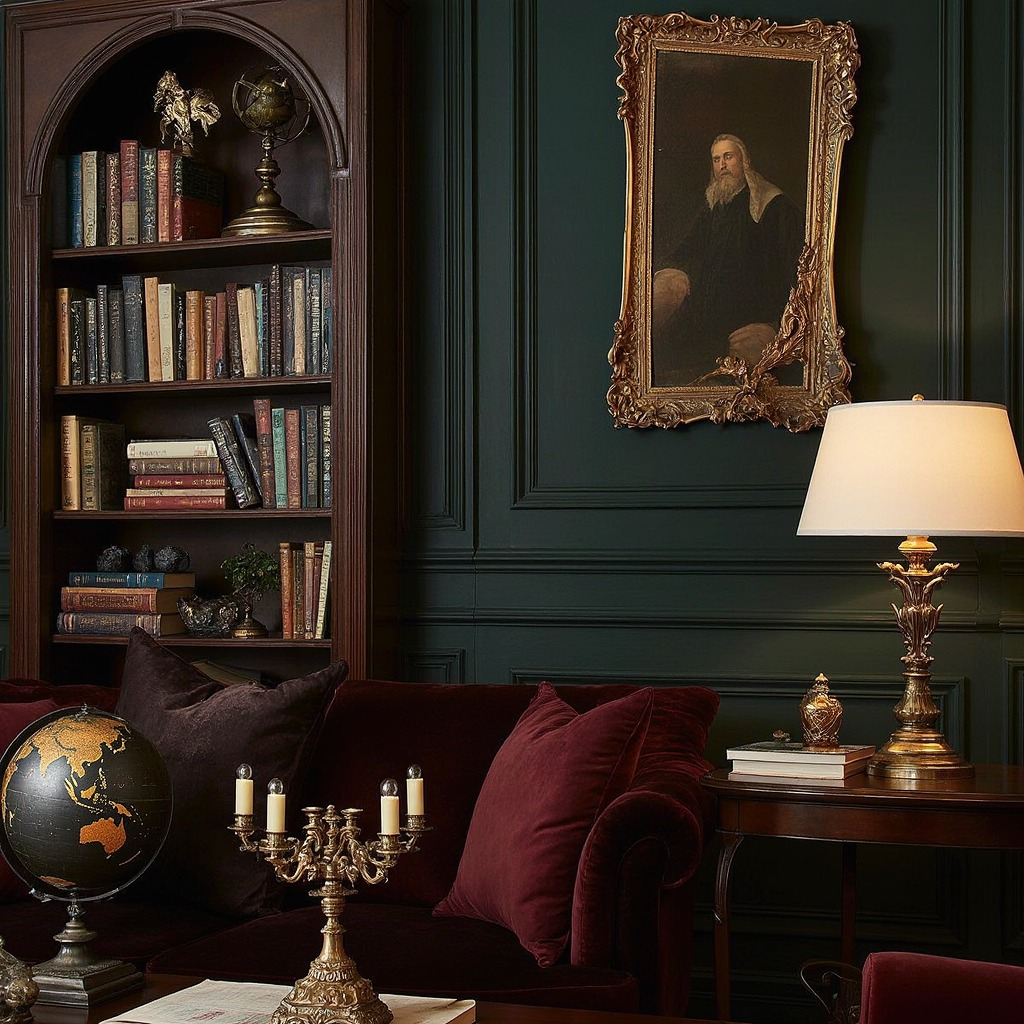
A single well-placed reading lamp, ideally brass or aged bronze rather than a bright chrome or matte black finish, does more to establish the “old study” atmosphere than almost any other single lighting choice, and it’s worth prioritizing over overhead lighting if you’re building the room’s lighting plan in order of importance.
10. Layered lighting instead of relying on one overhead fixture
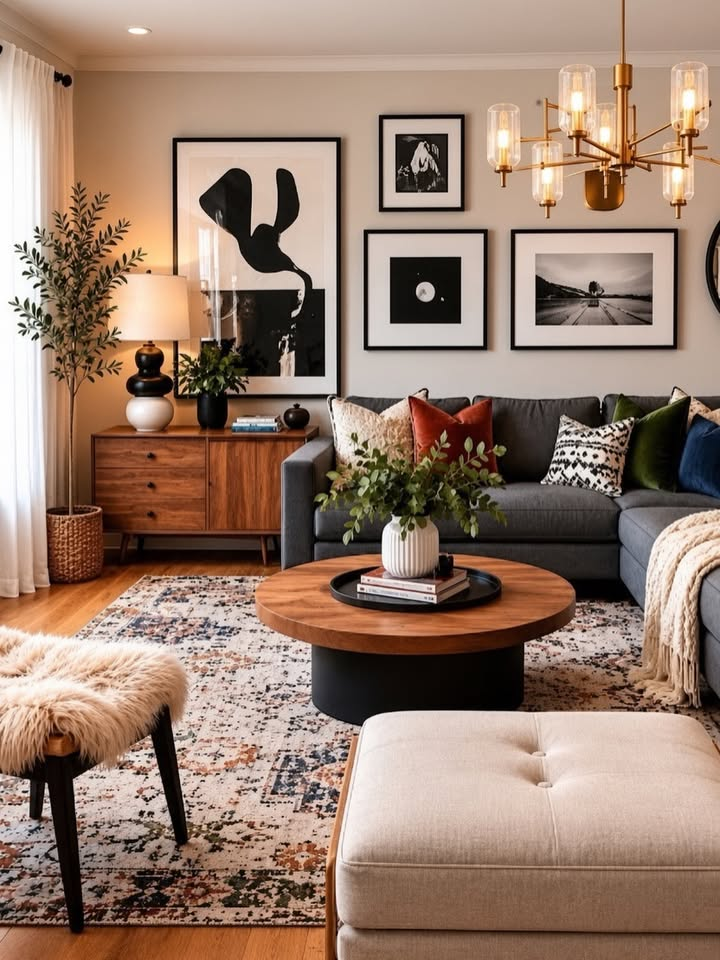
Combining a floor lamp, a table lamp, and a reading lamp rather than depending on a single bright overhead fixture creates the pooled, warm-lit atmosphere this aesthetic depends on — overhead lighting alone almost always reads too bright and too evenly distributed for a genuinely moody feel.
11. Real candles and candle holders, used with real fire safety awareness
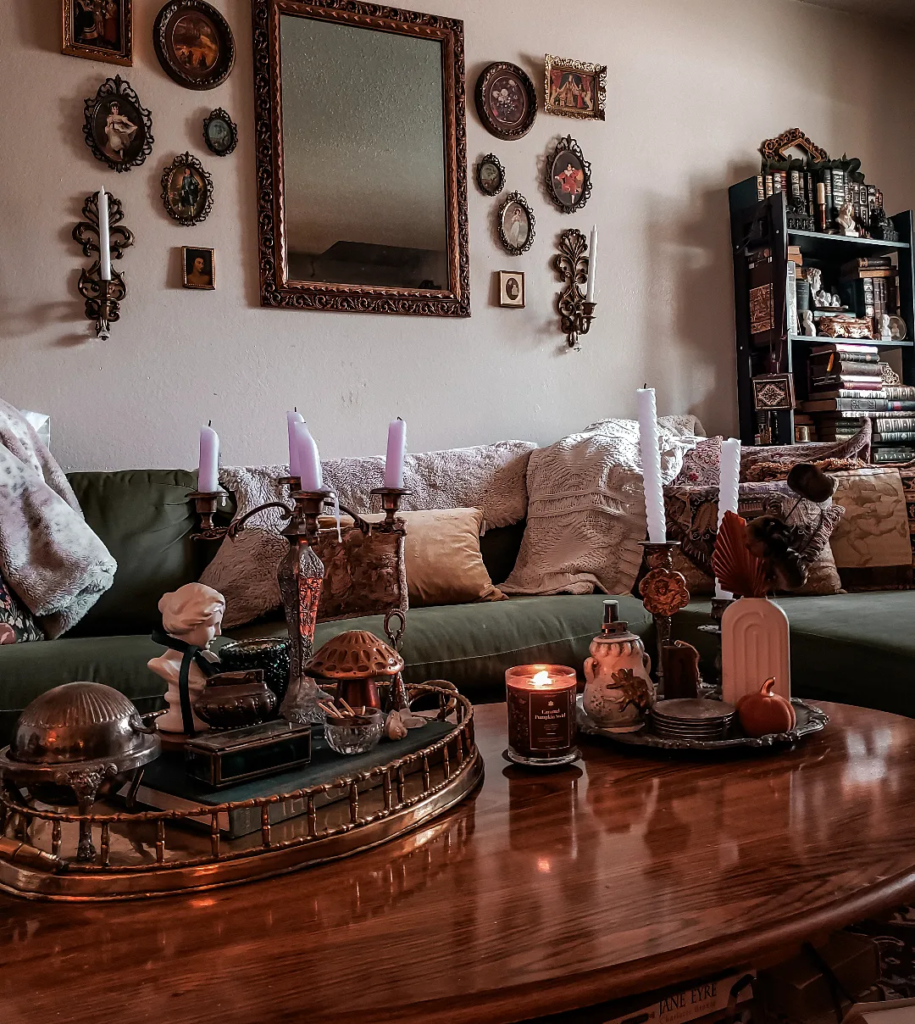
Unlike a dorm room, most homes allow actual candles, and a cluster of candles in vintage-style holders on a mantel or side table brings real warmth and flicker that flameless versions still can’t fully replicate — just keep them away from flammable fabric and never unattended, the same basic rules that apply anywhere else in your home.
12. A statement pendant or chandelier in an aged brass or black iron finish
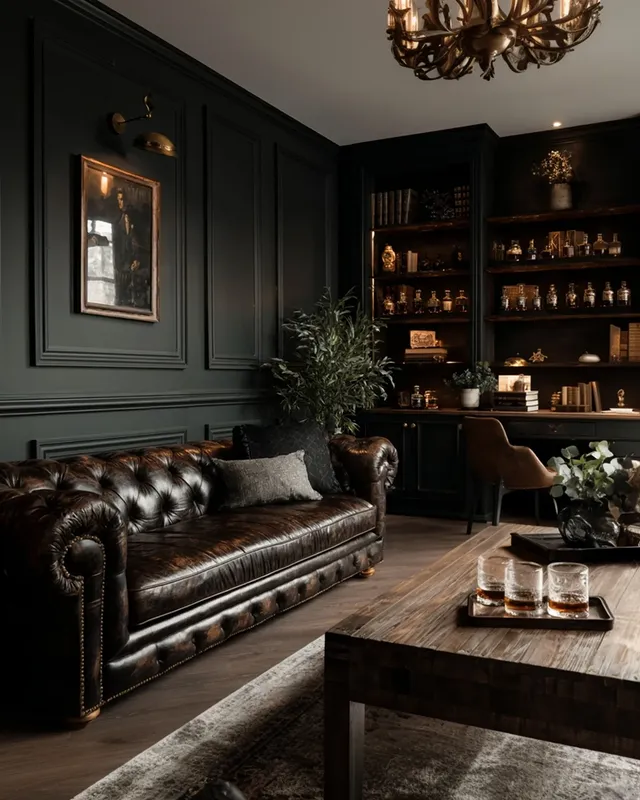
If you’re replacing an existing overhead fixture, choosing one in an aged brass, black iron, or antique-style finish rather than a bright modern one reinforces the aesthetic even in the fixture you’re using least for actual daily lighting.
Pro tip: Buy warm-toned bulbs (around 2200-2700K) for every fixture in the room, including any you’re not replacing — I made the mistake of getting the lamps right but leaving a cooler-toned bulb in an existing overhead fixture, and that one mismatched light source undid a surprising amount of the atmosphere the rest of the room had built.
Bookshelves and Library-Inspired Styling
Books and shelving are as central to a dark academia living room as they are to the bedroom version of this aesthetic, but a living room usually has the wall space for something more substantial than a single small bookshelf.
13. Built-in or floor-to-ceiling bookshelves as a room anchor
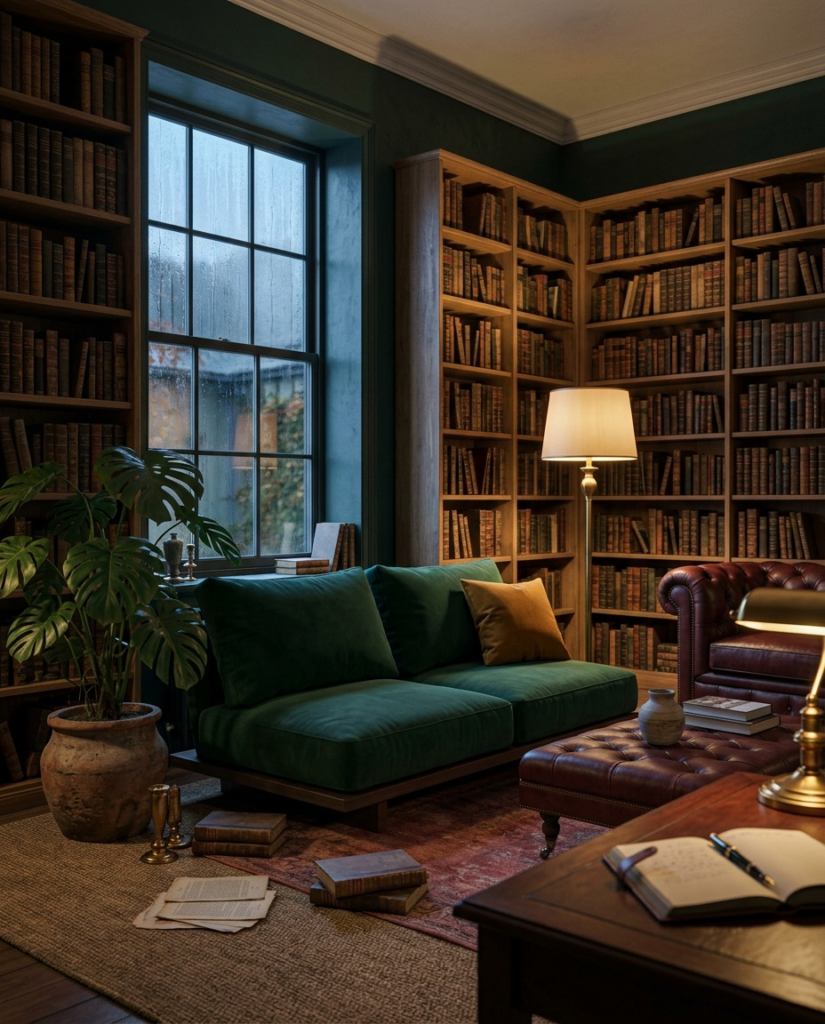
If you have the wall space and either existing built-ins or the budget to add them, floor-to-ceiling shelving does more to establish the “personal library” feel than almost anything else on this list, and it’s worth prioritizing this over smaller decor purchases if you’re planning the room in stages.
14. A rolling library ladder for tall shelving
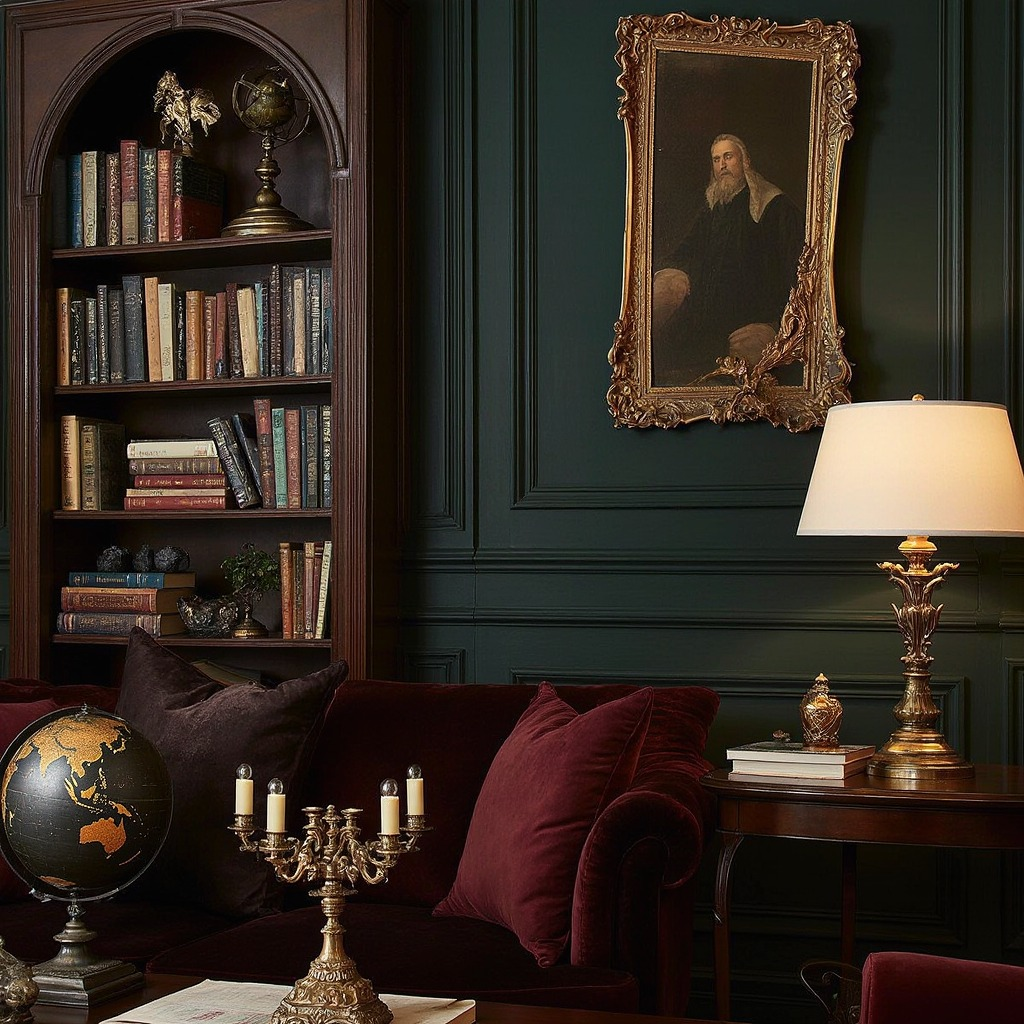
A rolling ladder attached to tall shelving is more of a statement piece than a strict necessity for most home shelf heights, but it’s a genuinely popular detail in this aesthetic specifically, and one of my library-ladder pins has sat around 20k saves for over a year, which tells you how consistently people reach for this exact detail even when they don’t necessarily need the ladder functionally.
15. Books arranged by spine color and material, not alphabetically
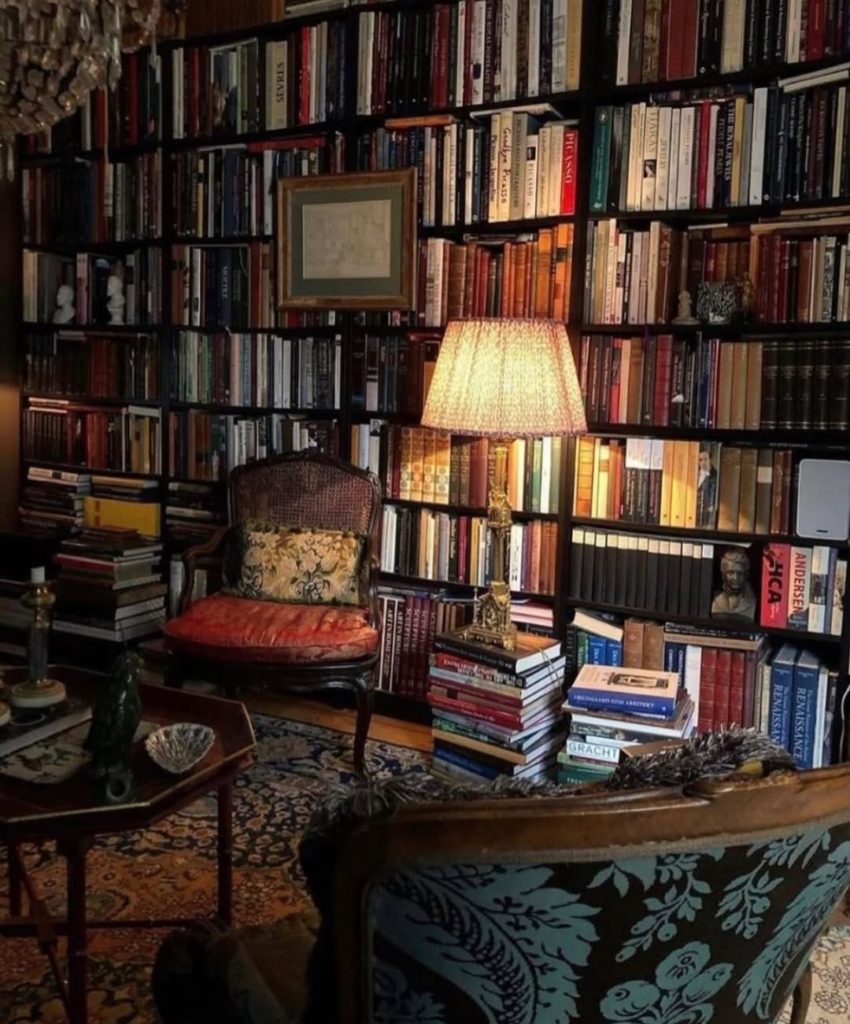
The same styling logic that works in a dark academia bedroom applies here at a larger scale — grouping books by visual tone (leather-bound looks, dark colors, aged typography) rather than by genre or author creates a cohesive visual block instead of a mismatched, colorful spine arrangement.
16. A dedicated globe, map, or specimen display shelf
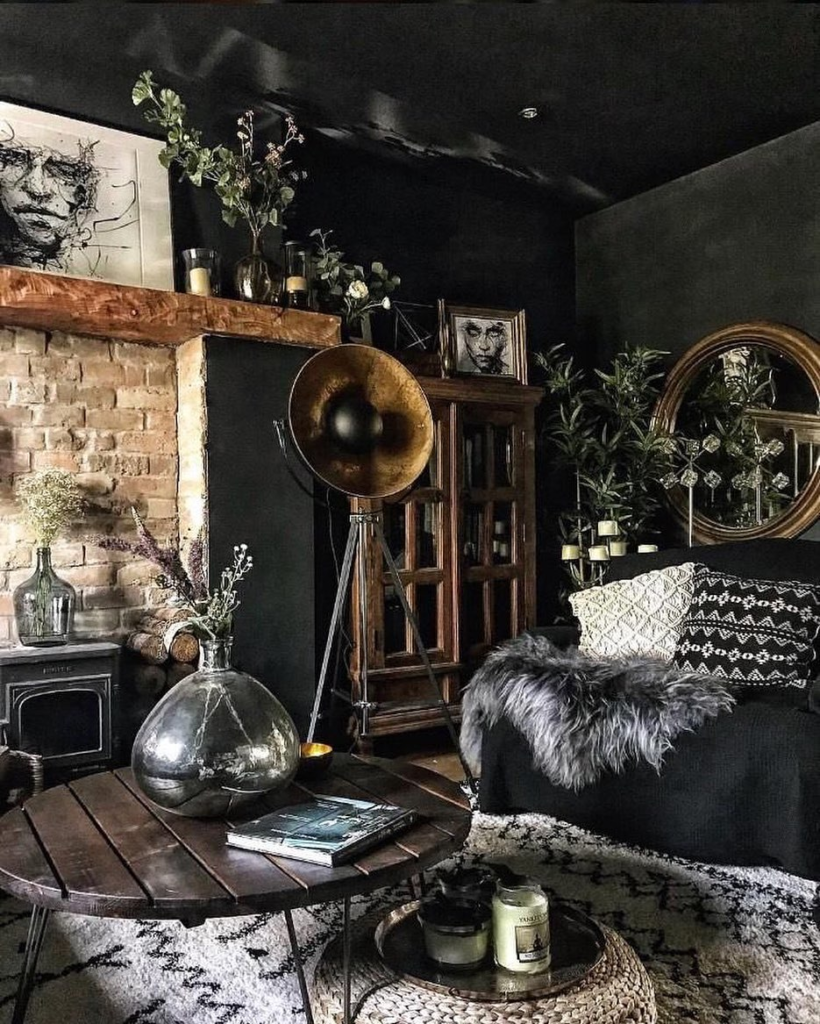
Setting aside one shelf specifically for a vintage globe, an old map, or a small collection of natural history-style specimens (real or reproduction) gives the shelving a curated, collected-over-time feel rather than looking like it was purchased and arranged all in one trip.
Pro tip: Don’t feel obligated to fill every shelf completely — leaving some genuine negative space, with a single object or short stack of books rather than cramming every inch, actually reads as more intentional and collected than a shelf packed edge to edge, which can start looking cluttered instead of curated.
Textiles and Layering
Textiles do a lot of the comfort and depth work in a living room specifically, more so than in a bedroom, since a living room’s textiles need to hold up to actual daily lounging rather than just looking good.
17. A large wool or Persian-style area rug in deep, rich tones
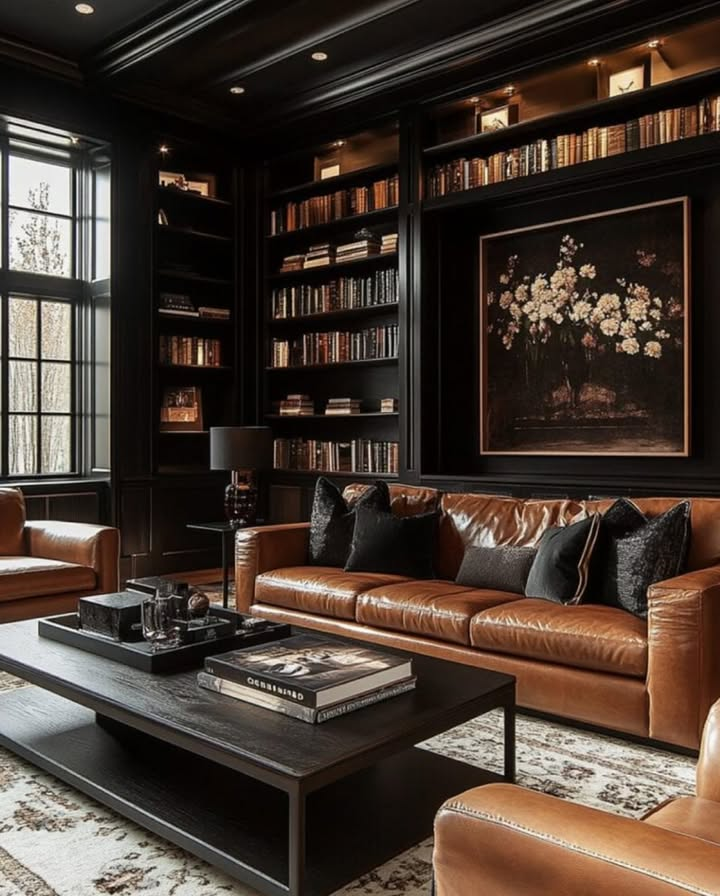
A substantial area rug in a deep burgundy, navy, or forest tone — ideally with some pattern rather than a completely solid color — anchors the seating area and adds real warmth underfoot, which matters more in a living room than almost any other room in the house given how much time is spent sitting on the floor near it or walking across it barefoot.
18. Heavy velvet or wool curtains for a substantial, formal feel
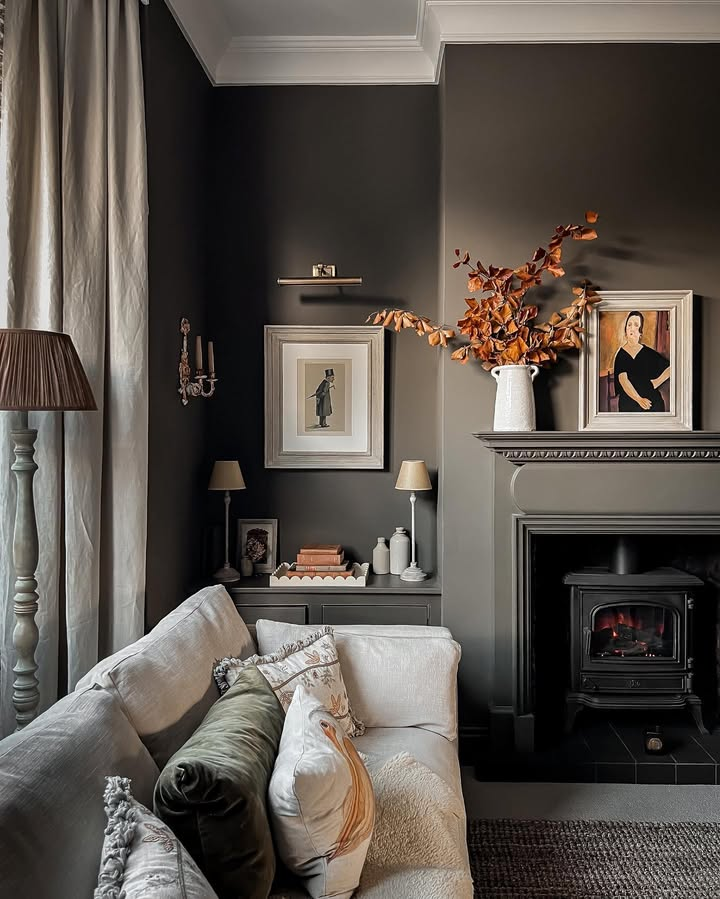
Heavier drapery fabric, hung floor to ceiling rather than just covering the window itself, adds both visual weight and genuine light control, which contributes to the moody, controlled-light atmosphere this aesthetic depends on throughout the day, not just in the evening.
19. Layered throw blankets in varying textures across seating
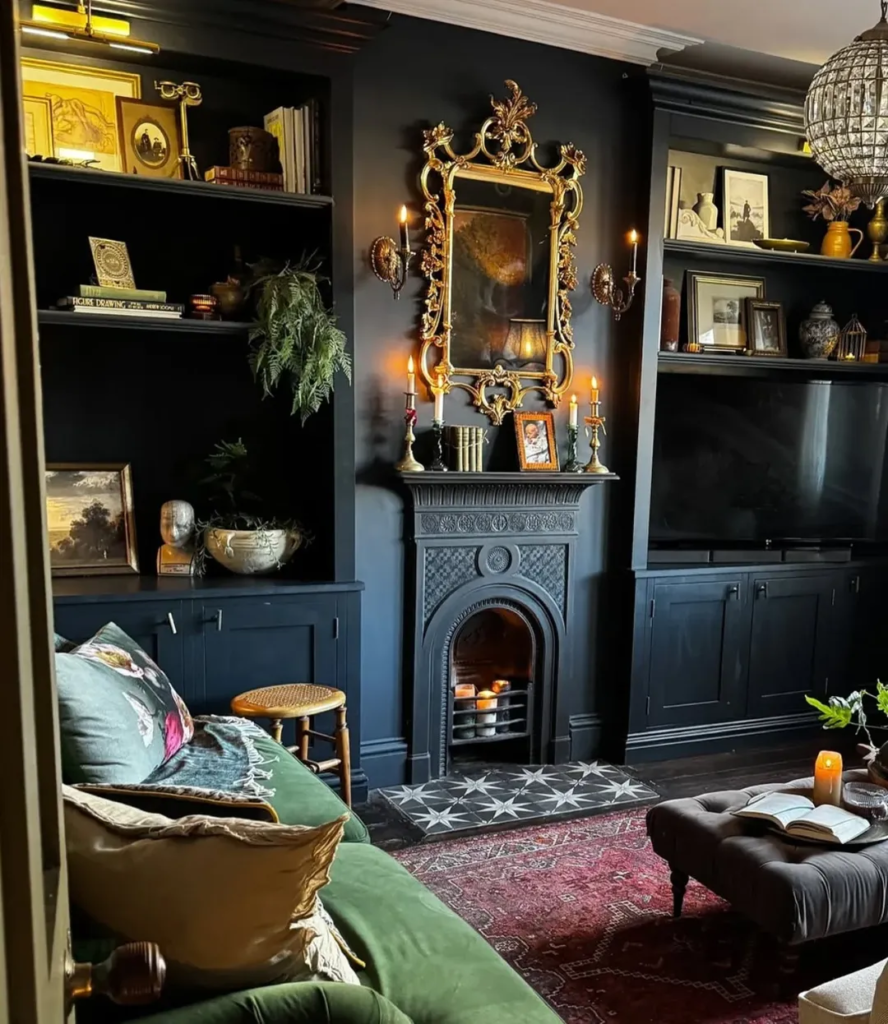
Multiple throw blankets in different textures — a chunky knit, a flat wool weave, something in a plaid pattern — draped across the arm of a sofa or chair adds the same lived-in depth that works in a bedroom, scaled up across more seating surfaces.
20. Tufted or leather ottoman as both seating and texture contrast
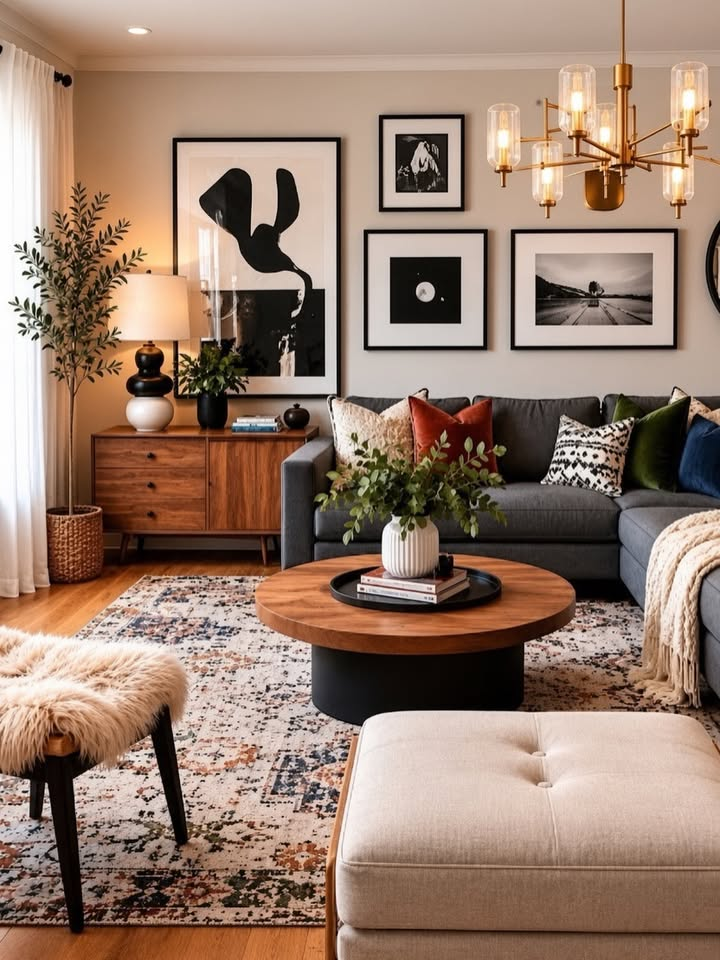
A tufted leather or velvet ottoman adds functional extra seating or a footrest while introducing another texture into the room’s overall material mix, which helps avoid the flat, single-texture look a room can fall into even with the right color palette.
Pro tip: Balance heavier textiles (velvet, wool, leather) with at least one lighter-weight fabric somewhere in the room, even just in a single accent pillow — an entire room built from only heavy, dark textures can start to feel oppressive rather than cozy, and one lighter textural note keeps the room from tipping too far in that direction.
Art, Accessories, and Finishing Details
The smaller accessories are what separate a genuinely lived-in dark academia living room from one that reads as a stage set, and this is usually where a room built up gradually over time shows the most character.
21. Vintage or vintage-style framed art in dark wood frames
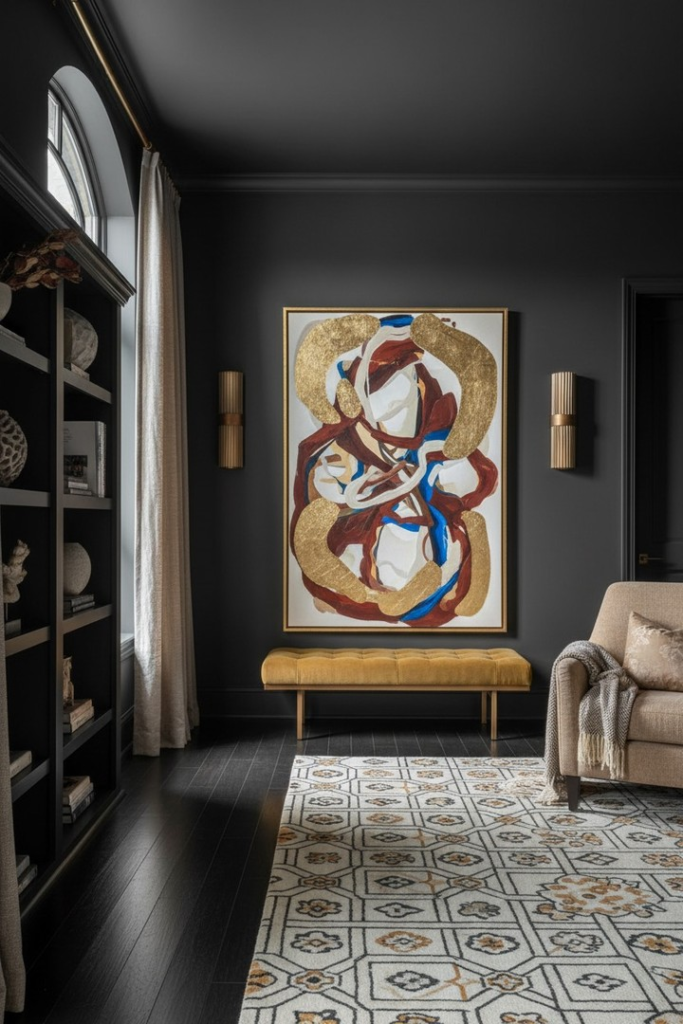
Classical painting reproductions, botanical prints, or old maps in dark wood frames scaled up for a living room’s larger wall space create the same literary, old-world feel that works at a smaller scale in a bedroom, and thrift and estate sales remain a better source for authentic frames than buying new reproductions.
22. A vintage bar cart styled with dark glass and brass accents

A small bar cart, whether it’s actually used for drinks or mostly for display, adds a functional, collected-object feel to the room and gives you another surface for the kind of curated small objects — an old decanter, a few interesting glasses — that build out the lived-in atmosphere.
23. A chess or backgammon set displayed on a side table
Similar to the smaller-scale bedroom version of this idea, a classic board game left out and styled rather than stored adds a genuine functional decor piece that also invites actual use during an evening in.
24. A mantel or shelf styled with a curated, changing collection .
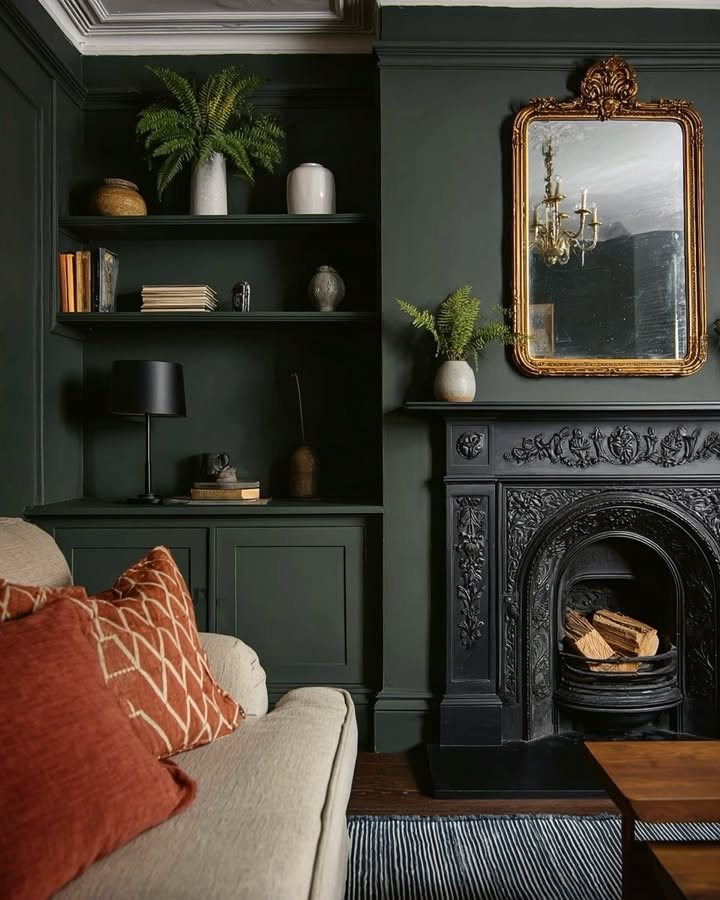
Rather than a permanent, fixed arrangement, treating a mantel or key shelf as a spot you gradually add to and rearrange over time — a new find from a thrift trip, a seasonal botanical, a stack of books you’re actually currently reading — keeps the room feeling like an ongoing collection rather than a one-time styling project.
Pro tip: Resist buying all your accessories in one shopping trip, even if it’s tempting once the bigger furniture and paint are done — the rooms that read as most authentically collected, rather than staged, are almost always built up piece by piece over months, which also happens to spread the cost out in a way that’s easier on a budget than one big haul.
Dark Academia Furniture and Decor Investment Levels
| Element | Typical Cost | Investment Priority | Sourcing |
|---|---|---|---|
| Paint (accent wall or full room) | $40-150 in supplies | High — do this first | New, any hardware store |
| Leather sofa or armchair | $300-2,500+ | High if budget allows, otherwise start with one chair | Secondhand strongly recommended |
| Bookshelves | $100-800+ (or existing built-ins) | High — major visual anchor | New or secondhand |
| Lighting (lamps, fixtures) | $30-200 per piece | Medium-high, layer gradually | Mix of new and secondhand |
| Rugs and curtains | $80-400 | Medium | New, occasionally secondhand |
| Art and small accessories | $5-50 per item | Low individually, build over time | Thrift and estate sales best |
Where I’d Actually Start
If I were building this room out again from a completely blank, beige rental, I’d do the paint first, then lighting, and only then start hunting for the bigger furniture pieces like a chesterfield or a proper reading chair — because color and light are what make even secondhand furniture actually look right once it’s in the room, and I learned that lesson only after buying a gorgeous chair that looked slightly off against walls that hadn’t been repainted yet.
Build this room in stages rather than all at once if your budget requires it, since the secondhand hunting that makes dark academia furniture and accessories look genuinely collected instead of purchased-yesterday takes real time anyway — which, honestly, works out better for both your wallet and the aesthetic itself.


Leave a Reply